



Candidate sourcing: 10 steps to find the best talent

Updated October 28, 2026

Candidate sourcing is the work of finding and contacting qualified people for current or future roles, usually before they apply. Sourcing fills the top of your talent pipeline. Recruiting takes over once a candidate is interested: screening, interviews, and the offer.
Finding outstanding candidates passionate enough about your company to go through screening and interviews is not a walk in the park. It takes effort to find the best potential candidates and get to know them well enough to convince them that your company is the best place for them to excel. But how do you do that without coming off as too pushy—or worse, desperate? And how do you nurture candidates for roles that aren't even open yet?
It comes down to an effective sourcing strategy. Giving sourcers, recruiters, and hiring managers a head start with strong candidates speeds up hiring. This guide covers what candidate sourcing means, how it differs from recruiting, 10 steps to source candidates, and how to source when you don't have a recruiter.
What is candidate sourcing?
Sourcing candidates is the process of searching for qualified candidates who fit the job criteria for current or future open roles. Sourcing requires being proactive to ensure there are ample, qualified candidates in the pipeline for various roles.
When sourcing candidates, sourcers use keywords or attributes to surface people whose titles, responsibilities, skills, and certifications match certain job descriptions. Then, sourcers reach out to these qualified candidates — no matter if they're actively or passively looking for job opportunities. The goal is to establish a good rapport with potential candidates to build interest in the company and eventually persuade them to apply.
The difference between sourcing vs recruiting
It's important to note that although the terms 'sourcing' and 'recruiting' are often used interchangeably, they are two distinct functions.
Sourcing candidates is the finding, outreach, and pre-screening of prospective applicants. It comes before recruiting, and requires an understanding of the role to be filled to identify possible candidates, make contact, and generate interest in the position.
Recruiting is the step after sourcing. The recruiting process involves screening and interviewing, as well as the final job offers.
Depending on the size of the organization, sourcing and recruiting the perfect candidates may be carried out by the same person or team of people. In addition, automation of sourcing and recruiting tasks gives recruiters more time to focus on a great candidate experience.
How to source candidates in 10 steps
These 10 steps cover where to find candidates, how to reach them, and how to measure what works. If you hire without a recruiter, the section after step 10 shows how to run a shorter version of the same process.
1. Establish a referral program to leverage referrals and connections from employees
You might already be planning where and how you can source the best potential candidates, but don't forget some obvious avenues. One of your best resources is right at your fingertips: employees.
People who already enjoy working at a company can often refer friends or family members who have the potential to be exceptional candidates. Plus, employees probably have other network connections who are looking for new job opportunities. Employee referrals can be a double bonus, as they can vouch for the candidate while at the same time sing praises of the company to get the candidate excited about working there.
To fully lean into employees' connections, it's worthwhile to establish a referral program. Typically these programs offer existing employees a reward for referring someone who gets hired. Referral hires also change your recruitment costs, so track them separately when you calculate cost per hire.
2. Use AI for candidate sourcing beyond LinkedIn
Let's face it, there is a ton of public data available to help you uncover potential candidates who would be perfect for your company. Setting up precise searches on LinkedIn, Github, and other professional networks results in a narrow view of an over-fished pond. An AI-based candidate sourcing platform broadens your search and offers you new ways of finding talent based on much deeper analysis than a profile or resume review.
A sourcing platform should integrate directly with your applicant tracking system (ATS) and even add a layer of intelligence to sort through incoming applications. It should also offer automation of the most time-consuming sourcing and outreach tasks. When you can trust your platform to find and reach out to the best matching candidates, then your recruiting team can focus on wooing interested candidates with personalized outreach about the company and the position.
Newer AI sourcing agents go a step further. They turn a job description into search requirements, keep adding people who match, and can send the first outreach, while a person approves the requirements and decides who to contact. Ask any vendor to show why each candidate matched, so you can check the reasoning.
3. Source candidates from a diverse talent pool
A wider talent pool gives you more qualified people to choose from, including candidates with less traditional paths into the role, such as career changers or people from adjacent industries. Sourcing for diversity means drawing from more schools, companies, communities, and regions than your usual search, while staying within the law.
In the US, the Equal Employment Opportunity Commission (EEOC) enforces federal laws that prohibit discrimination against job applicants and employees because of race, color, religion, sex (including transgender status, sexual orientation, and pregnancy), national origin, age (40 or older), disability, or genetic information. Broad outreach is fine, such as recruiting at a range of universities, professional associations, and community groups. Selecting or ranking people by a protected characteristic is not.
The practical rule for sourcers: apply the same job-related criteria to everyone you consider, and record why each person moved forward. That keeps the pool fair from the first search to the final offer.
4. Nurture passive candidates for future roles
Staying ahead of the curve is one of the most significant benefits of candidate sourcing that will help later down the line in the recruitment process. Sourcers are trained to communicate with many different candidates on all kinds of social networks, such as Reddit or LinkedIn. Although some conversations on these platforms are surface level and the candidates may not be ready to leave their company now, their circumstances could change in a few months or years.
Keeping these passive candidates warm and staying in touch is a worthwhile investment because you never know who might come out of the woodwork to fill future job openings. Consider creating nurture campaigns for evergreen roles so your company is top of mind for potential talent, prompting them to think of you when they're ready to make a move. Using a combination of an ATS and a candidate sourcing platform keeps data organized, offering a wide range of capabilities such as snoozing active candidates or setting reminders to reach out to past candidates.
5. Lean into attributes instead of keywords for sourcing candidates
Keywords rarely unearth the best prospective candidates. Not only are keywords rarely filled out properly on the largest job boards and talent communities such as LinkedIn, Indeed, or Wellfound profiles, but they only reflect a candidate's past work, not their future potential.
Keywords aren't informative of soft skills, either. How do you know if someone's personality is more laidback or aggressive? Do they show signs of leadership? Can they take a product from ideation to completion? Are they a team player?
You need to source high-quality candidates based on attributes, the traits and experiences that make them prepared for a particular role, in addition to keywords. Findem's 3D People Graph connects career histories, contributions, publications, patents, funding events, and company milestones across people, companies, and time, so a search can use attributes a profile doesn't list.
Attributes can be tangible, such as whether someone is an 'open source contributor', a 'past founder', or 'has a PhD'. Or they can be contextual, such as whether someone joined a company before a period of rapid growth or has taken a product from idea to launch.
Find out what hiring managers desire in an ideal candidate so you can expand your search based on attributes. Encourage hiring managers to broaden their horizons by asking whether the candidates must come from Fortune 500 companies, elite universities, or specific geographic locations, and make sure to ask for specifics.
With Findem's advanced search features, sourcers can define and identify attributes to better understand the traits and experiences of existing talent and what they need in potential hires.
6. Diversify your online candidate sourcing
Finding all your candidates in one place is a recipe for disaster. It can severely restrict the talent pool, and it runs the risk of contacting the same candidates over and over.
Common places to source promising talent include LinkedIn, Indeed, Glassdoor, and Wellfound (formerly AngelList Talent), but there are other platforms, too. X (formerly Twitter), Facebook groups, GitHub, Reddit, or communities like Product Hunt can be worthwhile with the right strategies. Find hashtags and topics that relate to your company or job profiles and see who else is posting about them.
Join professional groups, but don't just lurk — post interesting questions, and continue the conversation with suitable candidates with an invite to your next networking event or job fair.
Don't treat external sites as your only channel. Findem's 2025 State of Sourcing Channel Performance report analyzed outreach to 300,000 candidates and found that 85% of sourcing efforts still focus on cold outreach to people with no prior connection to the company. The report found that a multichannel approach, including past applicants in your ATS and other warm channels, consistently outperforms cold sourcing alone.
7. Identify the best external and internal events to find talent
Sourcing isn't limited to online activity. In fact, many valuable candidates are sourced through in-person networking events. Of course, attending these events can be costly, so it's important to prioritize based on the candidates you're likely to make an impression on.
To start, make a shortlist of industry conferences that the most relevant candidates would attend. Then, consider how to facilitate more personal conversations at those events, such as going to happy hours or networking sessions. Keep track of where you could have more productive chats and prioritize attending those events in the future to save on expenses.
Once you have a few external events bringing in candidates, explore internal events that you can have more control over. This could be hosting career fairs, hackathons, or expert panel discussions on topics related to your company's products or services. You could also start an apprenticeship or internship program to get to know candidates in person and discover top-tier talent before they're even applying to jobs. These strategies can improve the quality of hire and speed along the sourcing process at the same time.
8. Don't forget about outreach to passive candidates
Passive candidates, people who aren't looking for a new job, can be diamonds in the rough. But it requires finesse to keep your company on a candidate's radar while still coming across as genuine.
Outreach to passive candidates should be highly tailored to their accomplishments and needs in their next role. Invest the time to build relationships with potential candidates before you need them. People are much more inclined to respond to your emails or calls if they've already met you in person or virtually.
Take note of what you learn during casual coffee chats to use in future correspondences. Not only does this personal touch show you're paying attention, it also shows you want to ensure the role you're proposing is a good, long-term fit with the potential hire's goals. Again, employee referrals can help take advantage of passive talent opportunities. People who aren't actively job hunting are more likely to consider a company that a friend or family member enjoys working at and recommends.
9. Analyze your candidate sourcing metrics
Keep a close eye on which candidate sourcing efforts work and which don't in order to optimize your sourcing strategy. The key is to leverage technology that provides centralized visibility into sourcing metrics across all channels. Your platform should help to determine KPIs, benchmark progress against competitors, find process gaps or opportunities, and view metrics in real time.
With this information at hand, you can analyze your pipeline's diversity, candidate application rate, and the relative effectiveness of sourcing between platforms, in-person events, online forums, agencies, and employee referral programs. A few of the most common talent acquisition and sourcing KPIs include:
- Time to Fill: How many days it takes to go from job posting to offer acceptance. If this number starts creeping up, you've got a bottleneck somewhere.
- Time to Hire: Tracks how quickly you move a candidate from first contact to signed offer. If your process drags, top talent will move on.
- Cost per Hire: Total recruiting spend divided by number of hires. Useful for spotting overspending and making the case for smarter investments.
- Quality of Hire: Measures new hire performance, retention, and manager satisfaction. If your "rock stars" keep leaving after six months, it's time to rethink your criteria.
- Offer Acceptance Rate: Percentage of offers accepted. If this dips, check your comp, speed, or candidate experience.
- Sourcing Channel Effectiveness: Which channels (LinkedIn, referrals, job boards, etc.) deliver the best candidates? Double down on what works, ditch what doesn't.
- Sourcing Channel Cost: How much does each channel cost per successful applicant? If you're spending big on a channel with little return, cut it loose.
- Candidate Satisfaction Score / NPS: Survey candidates about their experience. Even rejected candidates should walk away feeling respected.
- Application Completion Rate: How many people start and finish your application? If this is low, your process is probably a pain.
- Application Drop-off Rate: Where do candidates bail out? Pinpoint friction points and fix them.
- Career Site Visit-to-Application Rate: Are people visiting your careers page actually applying? If not, your site or job descriptions may need a refresh.
- Number of Qualified Candidates per Opening: How many candidates actually meet the requirements? If it's low, revisit your sourcing strategy or job criteria.
- Interview-to-Offer Ratio: How many interviews does it take to make an offer? High ratios mean wasted time or poor screening.
- Referral Program Effectiveness: How many hires and retained employees come from referrals? If referrals are working, incentivize them.
- First-Year Attrition Rate: Percentage of new hires who leave within a year. High attrition = wasted effort and money.
- Hiring Manager Satisfaction: Are your hiring managers happy with the process and the talent delivered? If not, dig into the why.
- Candidate Source: Track where your candidates and hires are coming from. Helps you invest in the right places.
- Pipeline Conversion Rates: Measure conversion at every stage: outreach, response, interview, offer, hire.
- Recruitment Marketing ROI: Is your recruitment marketing actually delivering hires, or just burning budget?
- Unwanted Turnover: Track turnover among top performers, not just overall attrition.
- Career Path Ratio: Ratio of promotions to lateral moves. Shows how well you're developing and moving talent internally.
- Adverse Impact: Monitor for bias in hiring using the four-fifths rule.
- Recruiter Performance Metrics: Outreach volume, response rate, interview conversion, submittals per timeframe—don't just track activity, track impact.
The more sourcing channels that can be handled automatically, the more time the team has to analyze what's working and what's not. That can make a big difference no matter what the talent market looks like. In a hot market, you have to move fast to gain a competitive edge. In a slower market, you may have fewer resources and need to make value-based decisions. Either way, analytics are your new best friend.
10. Build your employer brand
Candidates want a preview of what it's like to work at a company and how a company treats its current employees. That, in a nutshell, is your employer company's brand. When the market is competitive, your company's brand can be a major differentiator for potential candidates. Who doesn't want to work at a company that values its employees?
When reaching out to candidates, emphasize the best parts of working at your business. Do you have an amazing company culture with unique traditions? Maybe your managers are wonderful at empowering their direct reports, so employee retention rate is high.
Highlight your company's benefits or other intangible aspects of the job, like flexible scheduling. Survey current employees to gather more anecdotes to share with potential candidates. Social media platforms can play an important role in how you build your image. Not only will showcasing the company brand entice job seekers to apply, it also helps them feel more at ease and know what to expect as an employee there.
How to source candidates without a recruiter
Many startups and small companies don't have a sourcer, a recruiter, or an applicant tracking system. Founders, hiring managers, or an HR generalist run each search alongside their day job. The steps above still apply, in a shorter form:
- Start with referrals. Ask employees, investors, and advisors who they would hire for the role.
- Write down 3 to 5 must-have requirements before you search, and judge every candidate against the same list.
- Check people you already know: past applicants, former colleagues, and people who reached out before.
- Pick two channels where your candidates spend time instead of posting everywhere.
- Track candidates contacted, replies, and interviews for each channel, and move your time to what works.
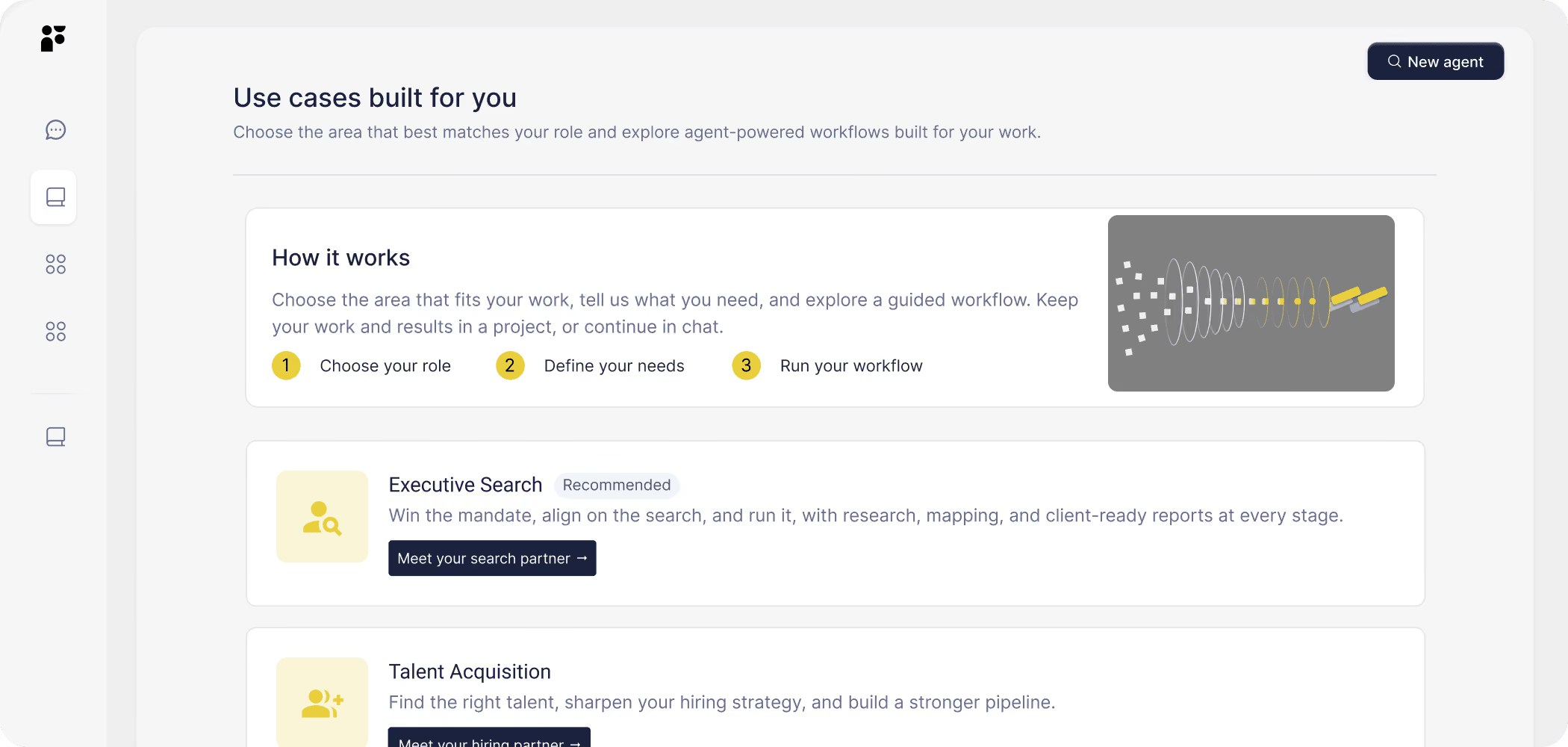
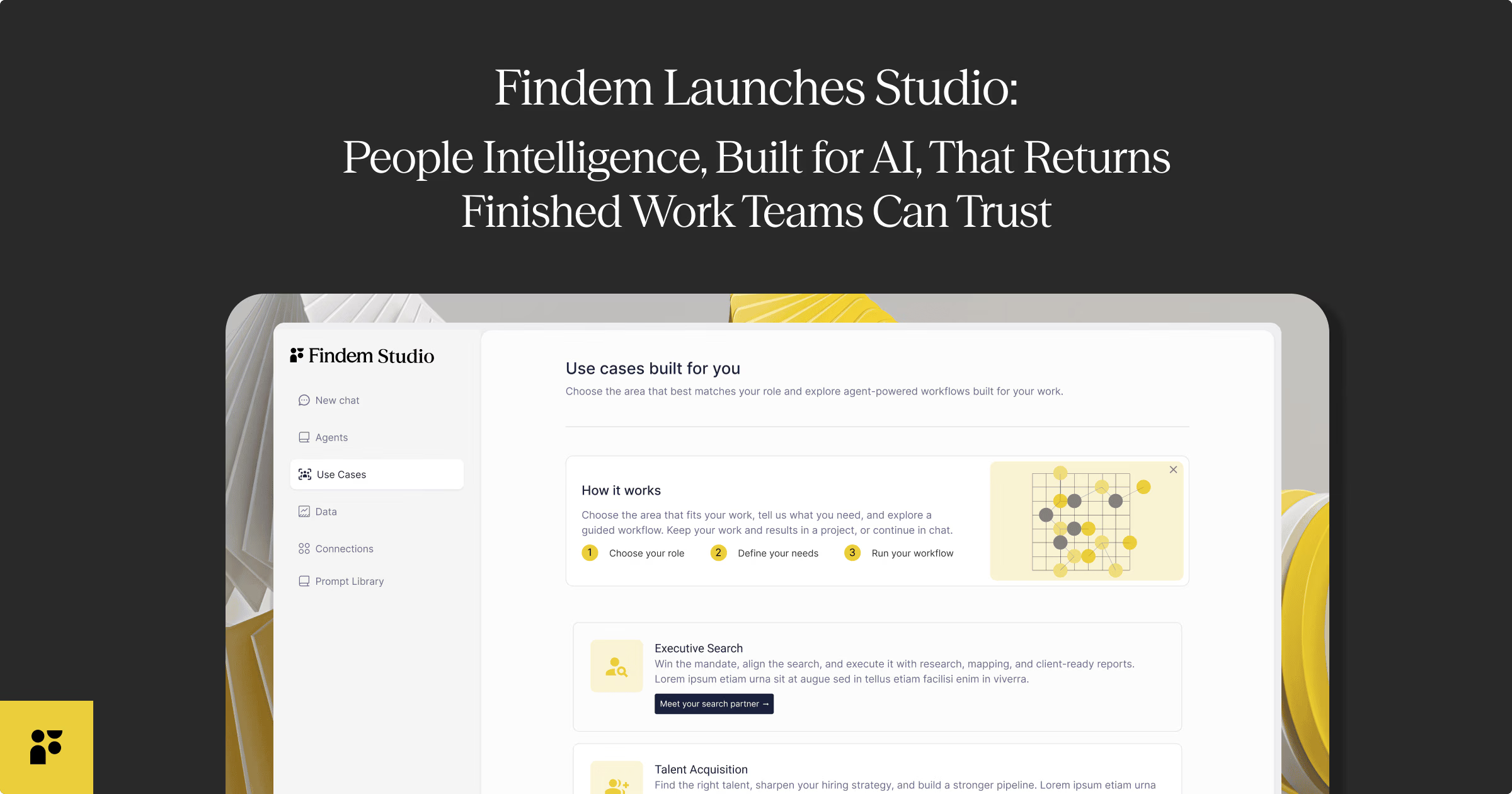
AI sourcing agents can take on the search itself. ReadySlate Lite in Findem Studio is one option built for teams without a recruiter or an ATS. Paste a job posting, check the requirements the agent drafts, and pick your shortlist from a candidate list it keeps adding to. When you turn those steps on, it emails candidates from your own mailbox and runs a five-minute AI voice screen with the people who say yes. You still decide who goes on the shortlist.
For a small talent team that already runs its own searches, see AI candidate sourcing for companies under 300 employees. To organize the people you find by role and stage, see what a talent pipeline is and how to build one. To run the rest of hiring yourself, from phone screens to agency fees, see how to hire without a recruiter or an ATS.
Start sourcing the best candidates
Your job is to find the best candidates, paint a picture of what it's really like to work at your company, and convince them to join. It requires staying on top of passive talent, attending events, diversifying your sourcing methods, and always keeping future roles in the back of your mind.
A referral program, a plan for future roles, and a clear list of keywords and attributes will take you far. A platform that searches across sources and ranks the best matches takes on much of the search for you. Talent teams can see how Findem sources candidates. Small teams without a recruiter can start with ReadySlate Lite and free credits.
Candidate sourcing FAQ
What is candidate sourcing?
Candidate sourcing is finding and contacting qualified people for current or future roles, usually before they apply. It covers search, first outreach, and early pre-screening, and it fills the top of your talent pipeline.
What is the difference between sourcing and recruiting?
Sourcing finds people and builds their interest in a role. Recruiting starts once a candidate is interested and covers screening, interviews, and the offer. At small companies, the same person often does both.
What are the main candidate sourcing channels?
Employee referrals, past applicants in your ATS, professional networks like LinkedIn, job boards, online communities, events, and AI sourcing platforms that search across many sources at once.
How do you source candidates without a big budget?
Start with channels that cost little: employee and investor referrals, past applicants, former colleagues, and communities where your candidates already spend time. Define a few must-have requirements first, and track replies by channel so you spend more time on what works.
How do you source candidates without a recruiter?
Have the hiring manager write the must-have requirements, start with referrals and past applicants, and use one or two channels consistently. Self-serve AI sourcing agents, such as ReadySlate Lite in Findem Studio, can run the search and first outreach while you decide who to shortlist.