.svg)
Attract and retain talent with an AI job board.
Every open role at the companies you support, on one branded job board that updates itself. Applicants join a regional talent network you can reach the next time an employer asks for candidates.
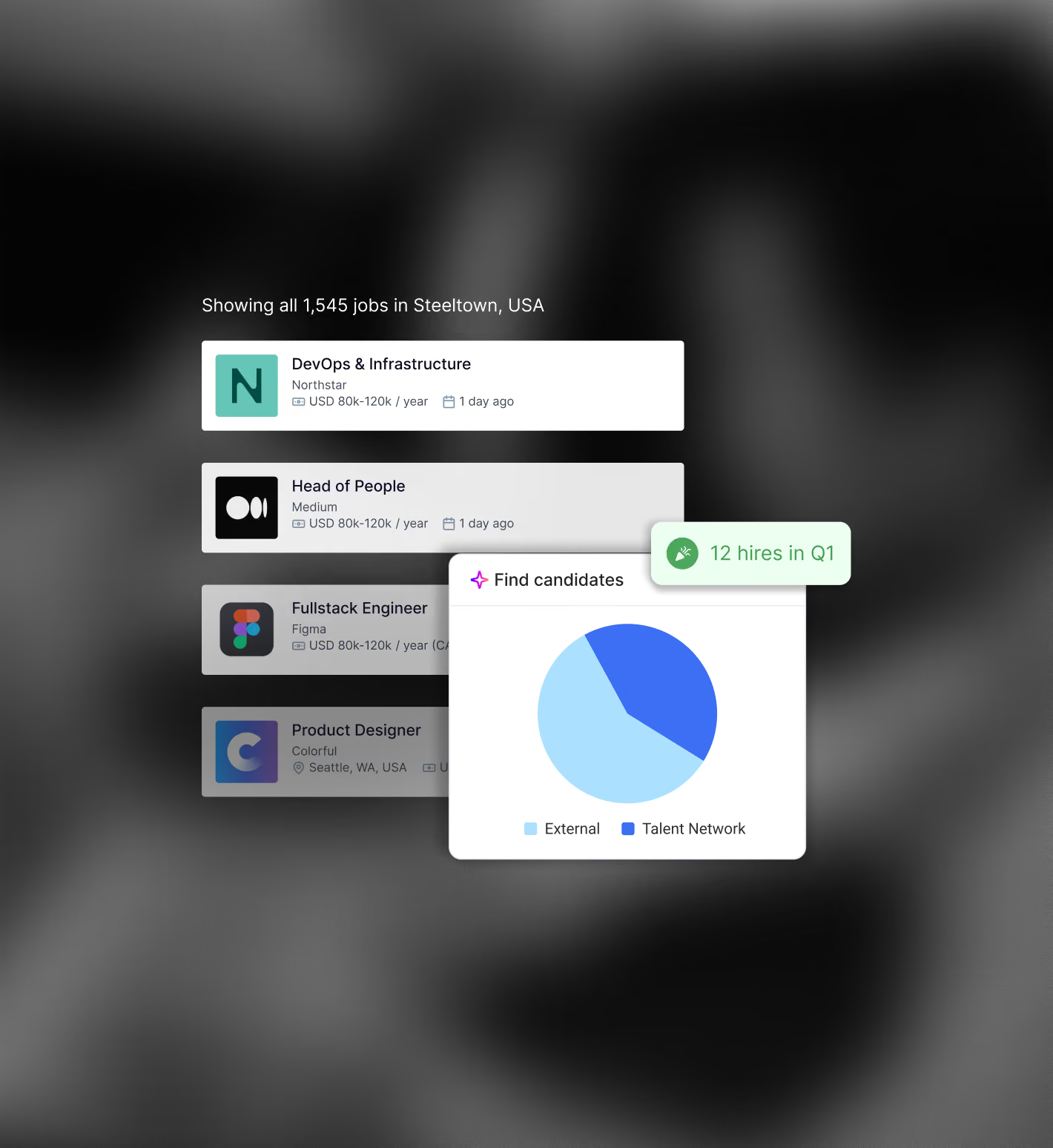
Your region is competing for talent it can't see.

Nobody can see who's hiring here.
A graduate finishes at the local university, checks two career pages, and takes a job three states away. Two employers you work with were hiring for that exact role — on a LinkedIn post that never reached her.
Interest fades before a job opens.
Someone visits in March, likes what the region offers, and applies to one opening. They don't get it, and they're gone. In September an employer opens a nearly identical role, and you have no way to reach them.
Stale data loses grants and bids.
Your annual report shows event counts and web traffic. The grant application asks how many people the region hired, in which industries, at what wage — and the labor data you subscribe to is missing recent updates.
Shallow signals
Most AI relies on thin inputs like resumes and keywords. It can’t identify warm relationships or trusted connections, which means it’s working with an incomplete picture.
Your region needs a real talent program.
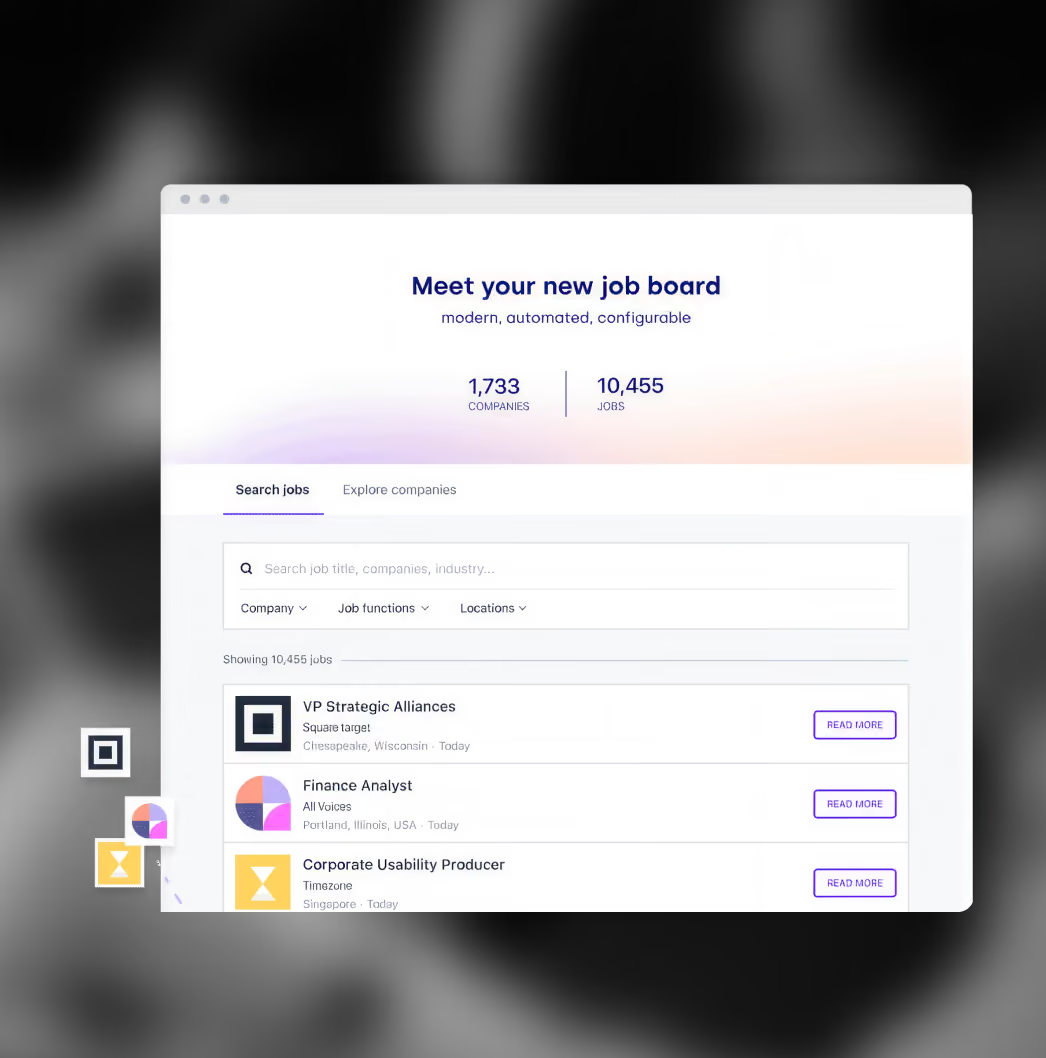
Promote every open role in your region.
You choose the employers worth showcasing — members, target industries, the companies you helped land — and their open roles appear on your board automatically. Nobody emails you a spreadsheet or logs into LinkedIn to promote a job. Listings update as roles open and close.
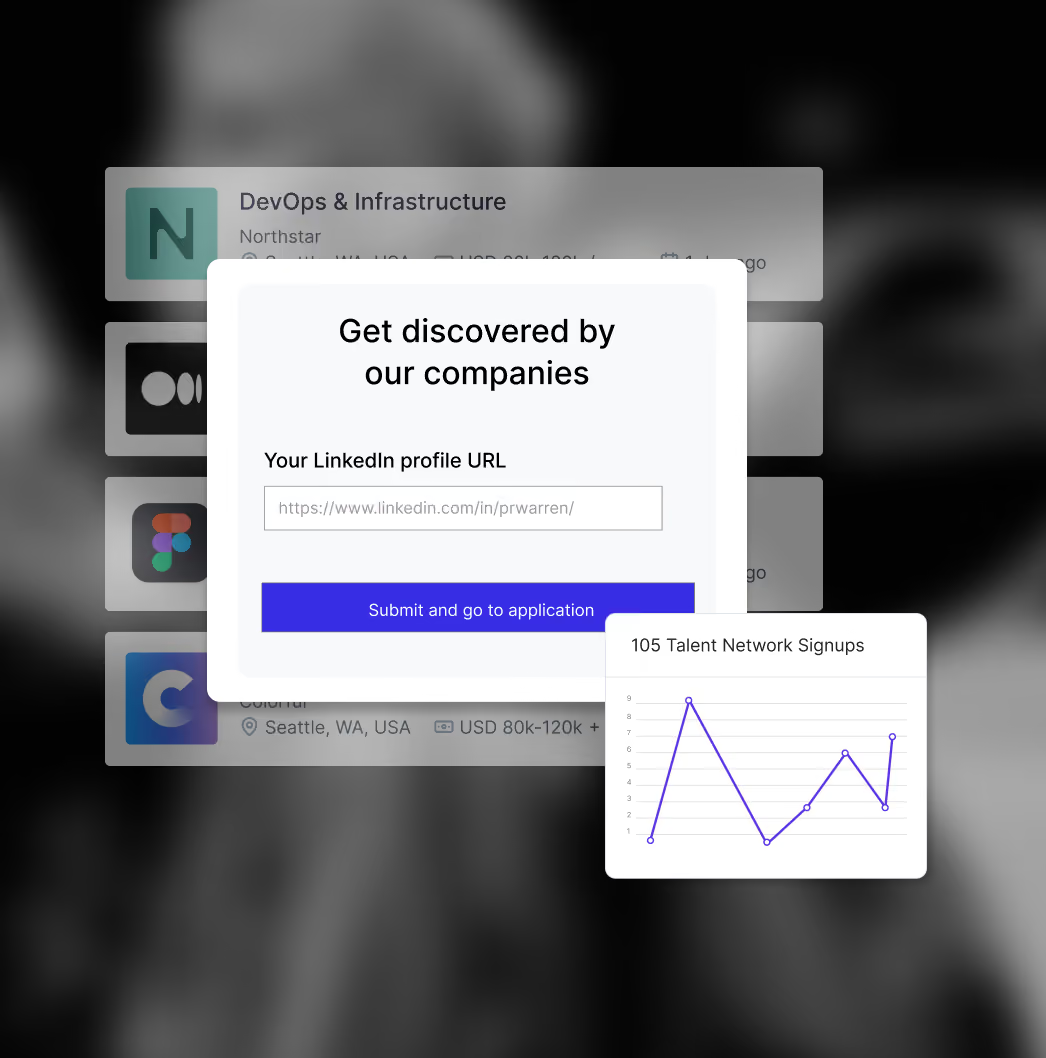
Build a regional talent map.
Applicants opt into your talent network instead of vanishing into an employer's ATS. Profiles stay current as careers change, so a March applicant is still reachable in September. When an employer posts a role, matched candidates come from your network and from talent beyond the region looking for exactly what you offer.
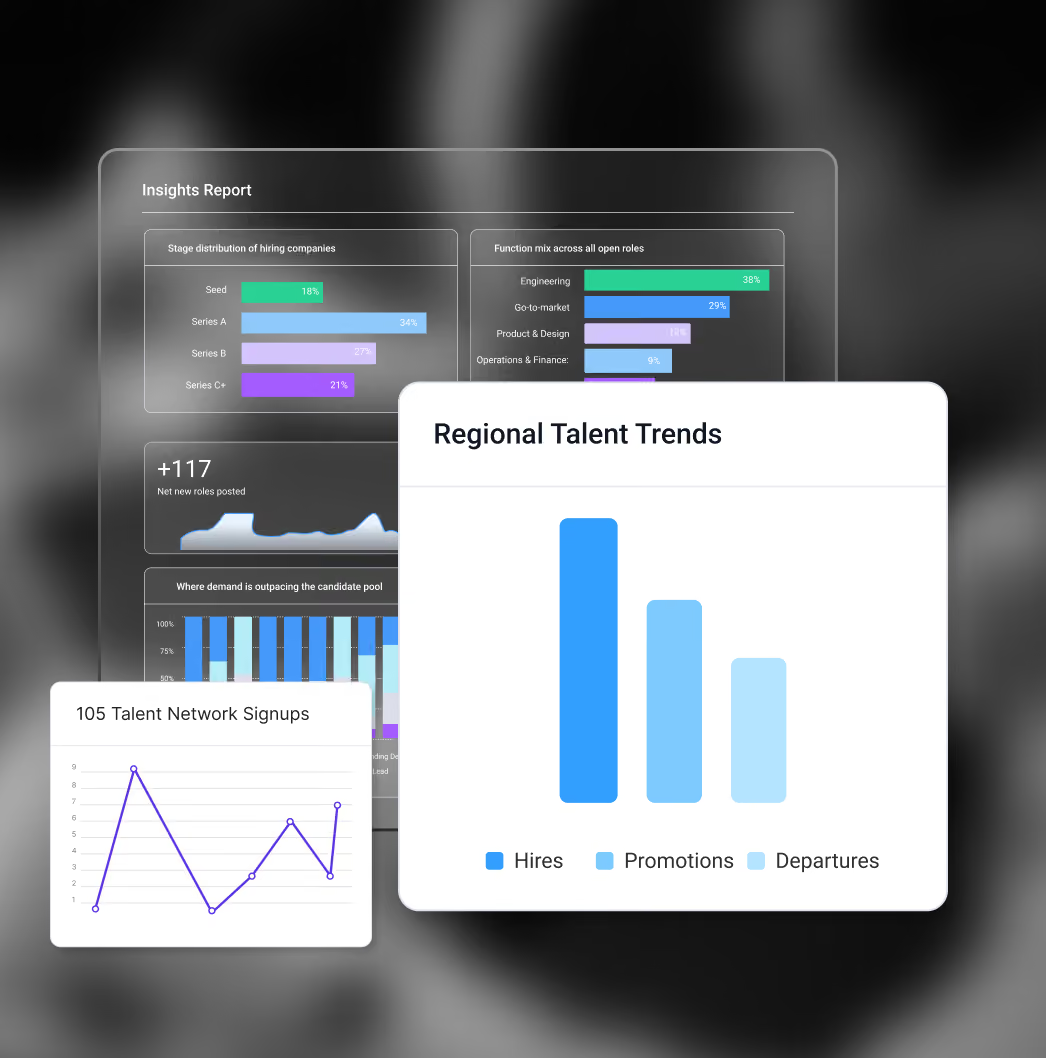
Prove your impact and fund the program.
Track job growth by industry, applicants delivered to each employer, hires made, and where candidates come from. That same data becomes the case for member investment: employers pay to promote roles and run agentic recruiting on the openings they can't fill on their own.
"We had a 67% increase in job seeker traffic with Findem"
Silas Ellis, Talent and Workforce Development Manager
One branded job board that updates itself.
Discover an agentic way to create high intent talent pipelines and bring folks to the region.
Frequently asked questions.
What is a regional job board?
A regional job board is a single, branded site that collects the open roles at every employer a chamber, EDO, or workforce board supports. Instead of a directory of company links, it works as a live listing of what the region is hiring for right now, searchable by role, industry, and location, and updated as jobs open and close.
How do jobs get on the board?
You pick the employers. Their roles are found wherever they already post them — career pages, applicant tracking systems, LinkedIn, Notion, or a direct submission from the employer. You set rules for which industries, locations, and role types belong, and anything outside those rules stays off.
Do employers in our region have to do anything?
No. Getting listed takes nothing from them, which is why coverage holds over time. Employers who want more can claim their listings, add roles directly, and promote openings without a LinkedIn account or an ad budget — useful for the smaller members who don't have a recruiter.
What happens to people who apply?
They opt into your talent network, so the relationship survives the application. Their profiles stay current as their careers move, and you can reach them when a new role fits — instead of losing them to the employer's ATS and starting over the next time an employer asks for candidates.
How is this different from building a job board ourselves?
A self-built board is a list of links that starts decaying the day it launches. Same is true for job boards that are tacked on to Chamber software. The work isn't the build, it's the upkeep: checking which roles closed, chasing employers for new ones, and rebuilding when a company changes its careers page. That maintenance is what gets automated here, along with the applicant capture a static page can't do.
We already pay for labor market data. Why do we need this?
Labor market data tells you what the region looks like at a point in time. It can't tell you what your work changed. Findem tracks the jobs your employers posted, the applicants your board sent them, and the hires that followed — attributable to your programs, not the market at large. Several regions use this to consolidate tools, replacing their workforce data subscription and their talent attraction platform with one.
Can the job board generate revenue for us?
Yes, and it's a common reason members upgrade. Employers pay to promote roles to the region's talent network, and to run agentic recruiting on the openings they can't fill on their own. That makes the board a non-dues revenue line and a reason for members to move up a tier, rather than another program to fund.
What can we report to our board or put in a grant application?
Jobs posted and job growth by industry, applicants delivered per employer, hires made, talent network size and growth, and traffic by source. The numbers are tied to your region and your employers, which is what a grant reviewer or a board chair is asking for when they ask whether the program worked.



See people in higher resolution.