.svg)
Build a workforce that's ready for what's next.
Hiring gets you talent in the door. Development determines whether they stay and grow. Findem's L&D software uses the same skills assessment technology built for hiring to map your workforce's actual capabilities, identify gaps, and build targeted development programs so investments land where they'll make a difference.
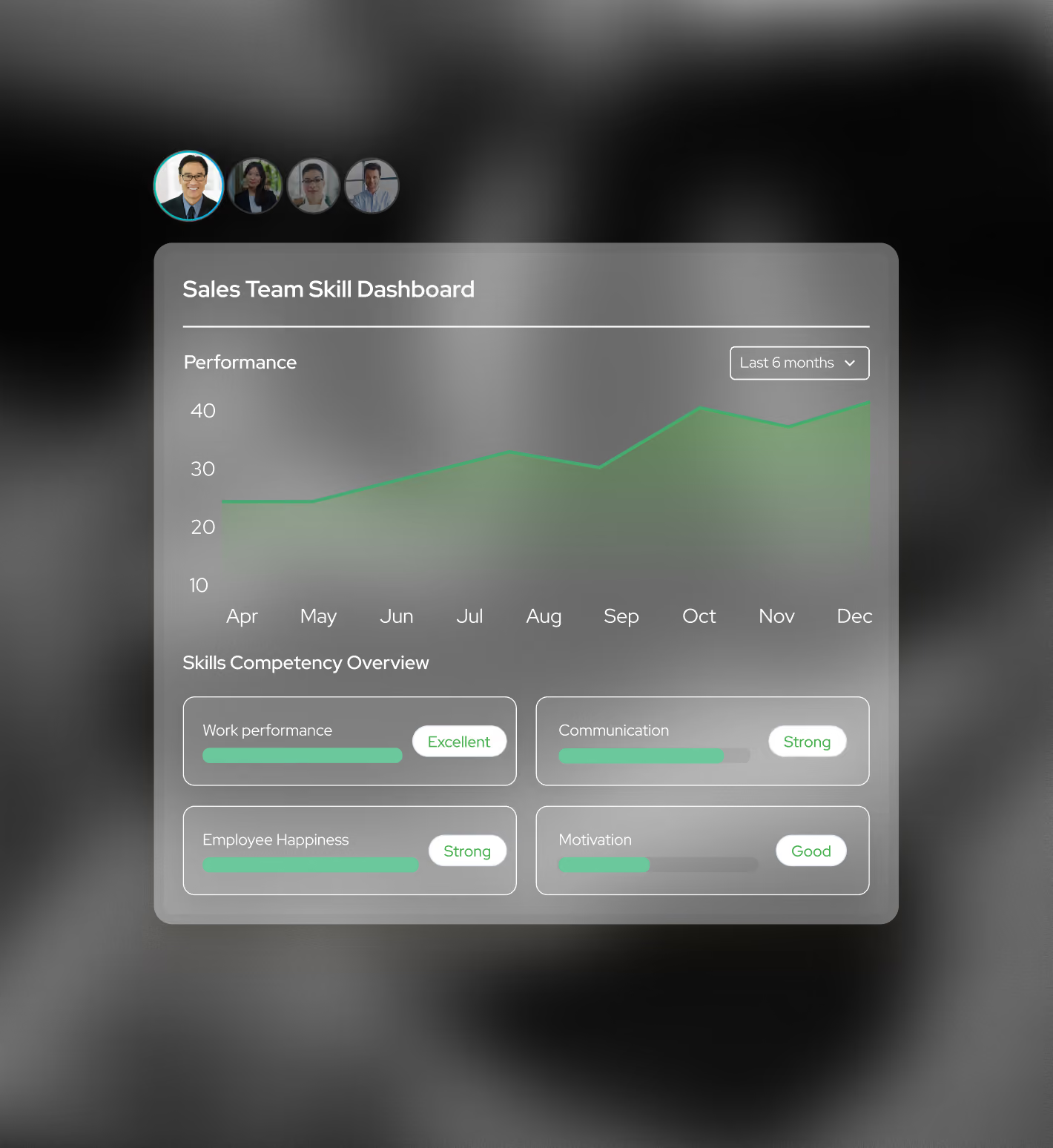
98% higher retention. 52% more innovative teams.

Most organizations don't have a clear picture of workforce skills.
Job titles and tenure tell you what someone has been asked to do, not what they can do today or which people on your team have untapped capabilities that never showed up in a job description.
Development programs get funded without evidence.
L&D budgets often follow momentum — last year's training topics, a manager's request, or a vendor's pitch — rather than hard data on which skills the organization needs most.
Employees disengage when there's no visible path for growth.
Attrition builds quietly when employees don't see a direction for their career or don't believe the organization understands what they're capable of. A development program that starts with the employee's actual strengths retains the people worth keeping.
Shallow signals
Most AI relies on thin inputs like resumes and keywords. It can’t identify warm relationships or trusted connections, which means it’s working with an incomplete picture.
Build skills where the gaps are.
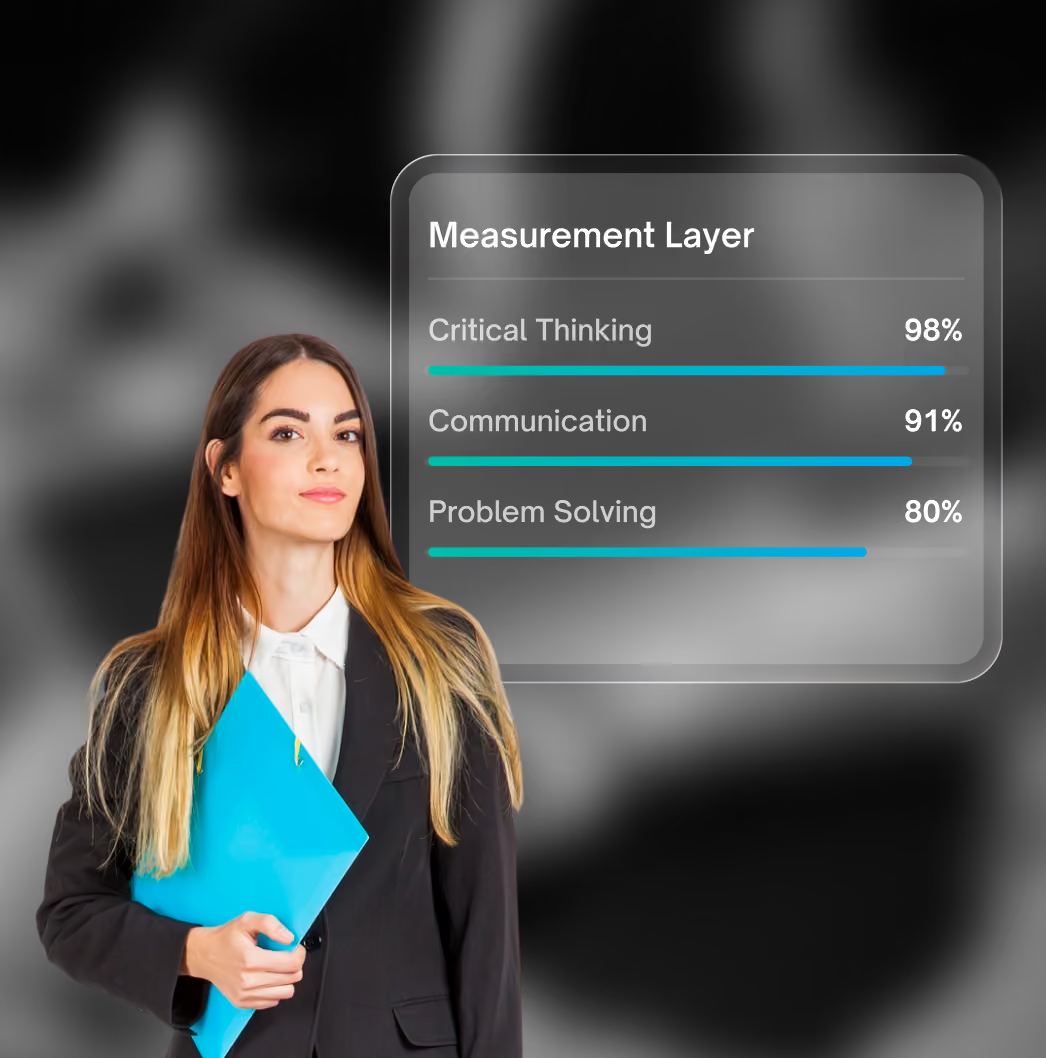
See what your workforce can do.
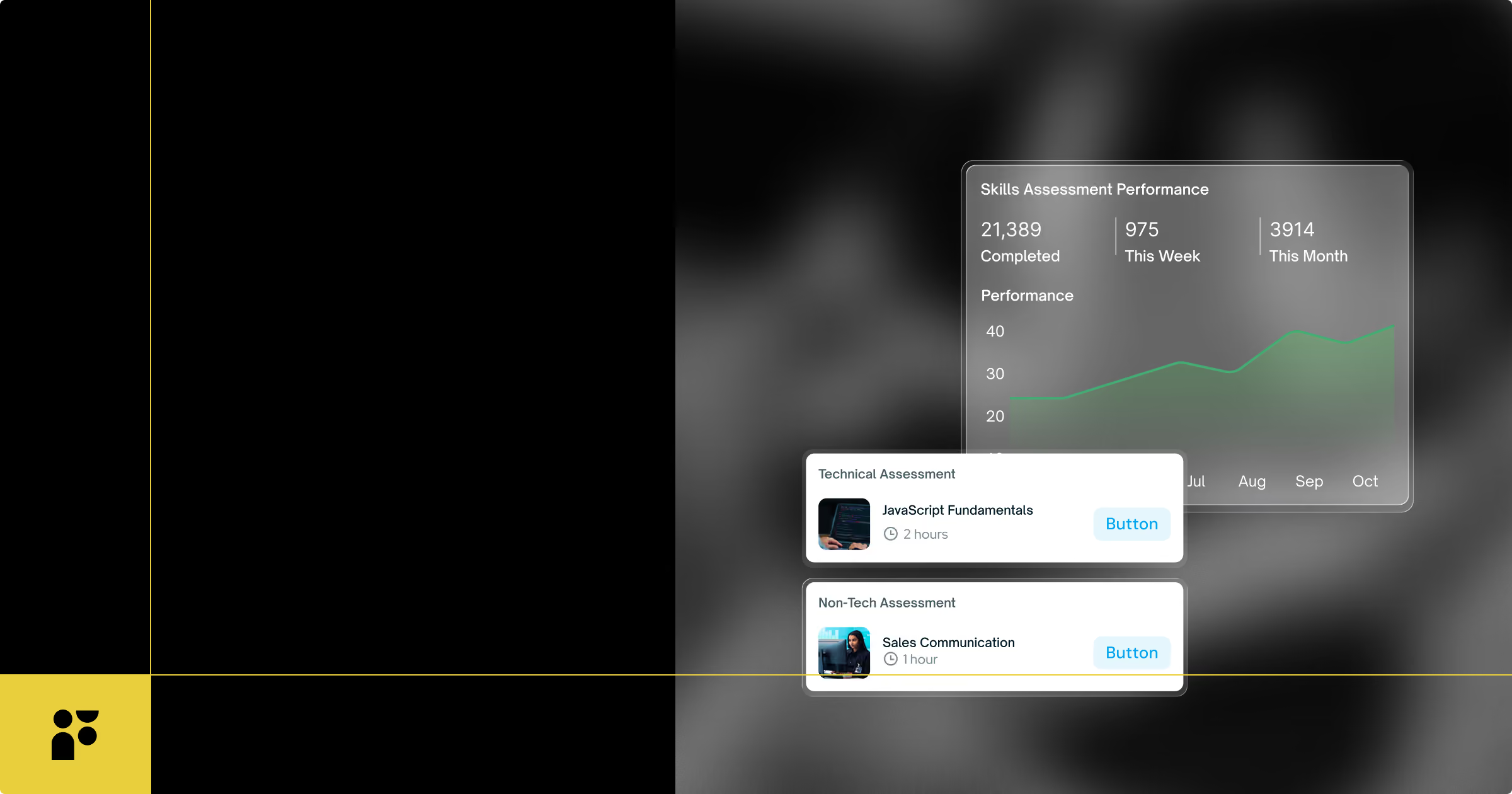
Findem's skills mapping layer builds individual employee skill profiles and rolls them up into an org-wide view: current skill levels against targets, gaps flagged, employees whose capabilities are underused relative to where the organization needs to go. The same AI-backed assessment infrastructure used to evaluate candidates measures real skill levels rather than self-reported proficiency or job title proxies. Real-time reporting gives L&D leaders and HRBPs the data to make development decisions with evidence.
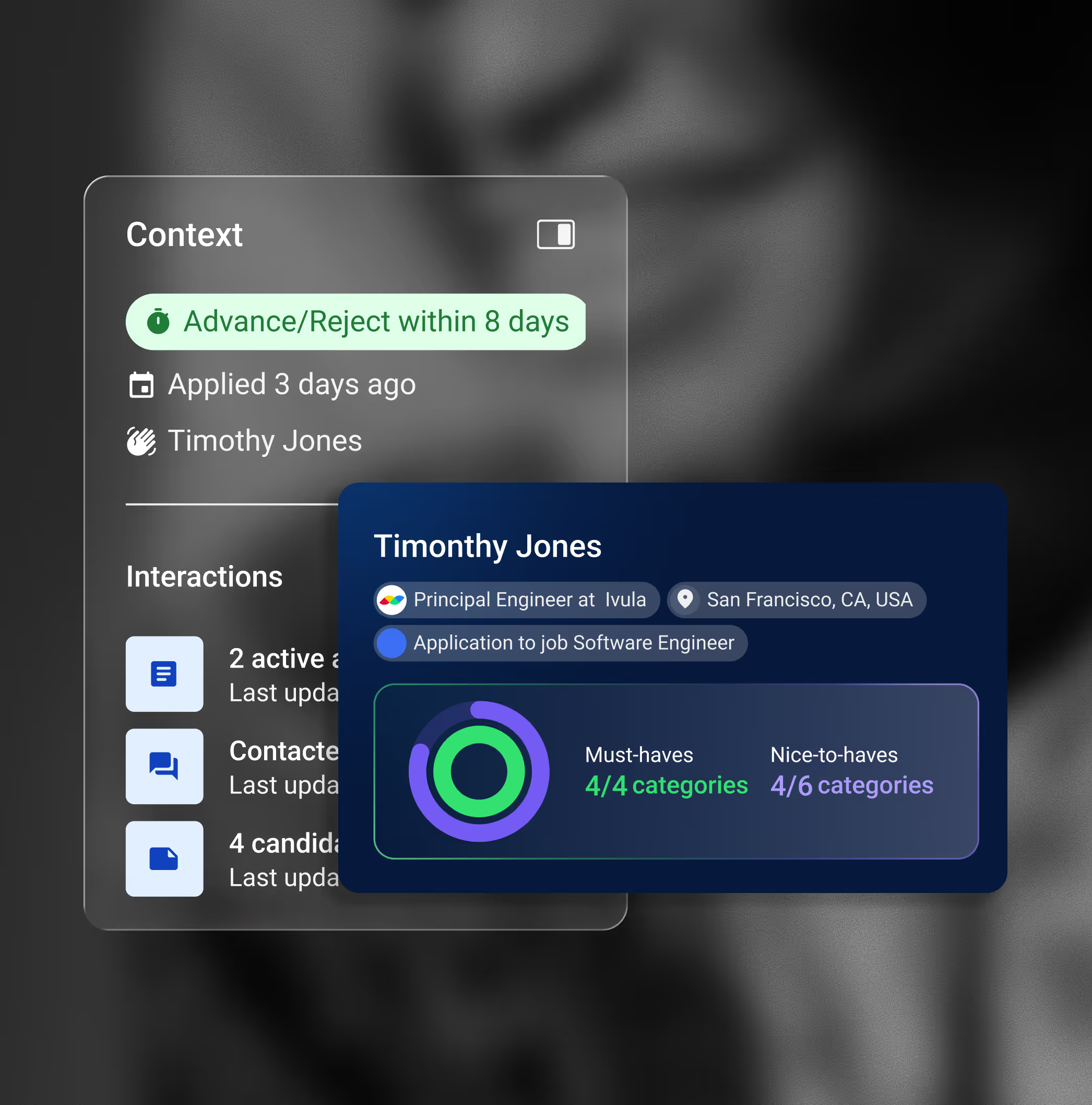
Targeted development paths, built on actual skill data.
Once gaps are identified, Findem connects them to development programs: upskilling and reskilling paths, onboarding tracks, and certifications drawn from a skills-based content library covering technical and non-technical functions. Programs integrate with existing LMS, LXP, CRM, and BI tools. Employees can self-select strengths and desired growth areas to shape their own paths. AI-proctored certifications produce verified completion records — which matters when credentials are used to qualify employees for new roles or expanded responsibilities.
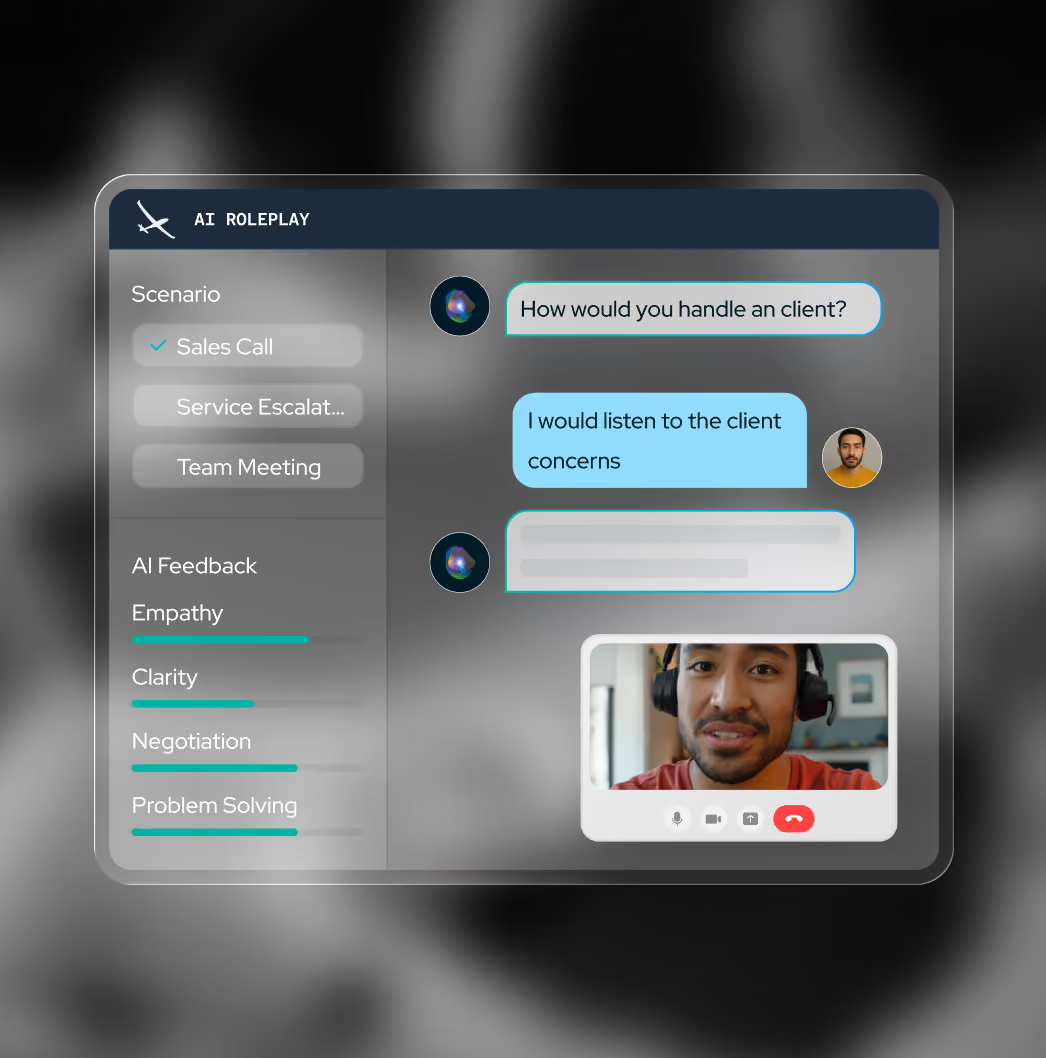
Practice skills in realistic scenarios.
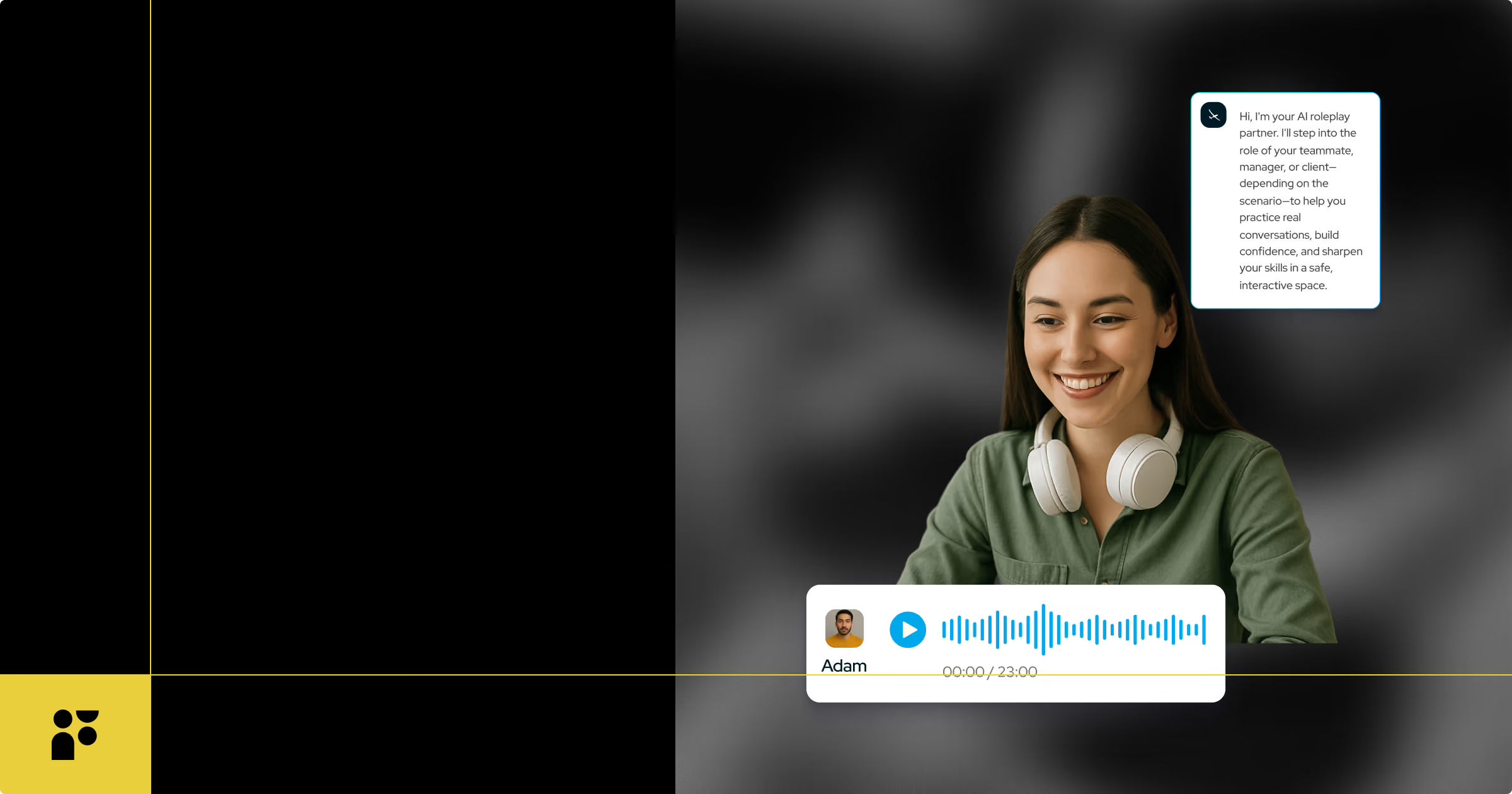
AI Roleplay lets employees practice real-world scenarios in a guided AI-led environment — customer conversations, technical problem-solving, and role-specific situations that adapt as the session progresses and give feedback in real time. The same skills-based evaluation logic used to assess candidates applies here. Hands-on, job-relevant practice produces measurable outcomes rather than passive completion records.
Frequently asked questions.
How does L&D Software connect to Findem's hiring platform?
The L&D platform uses the same skills assessment infrastructure and content library as Findem's candidate evaluation products — so skills data flows across the full talent lifecycle rather than living in separate systems. Skills identified during hiring can inform onboarding programs. Skills developed internally can feed back into workforce planning and internal mobility decisions.
How does AI proctoring apply to L&D?
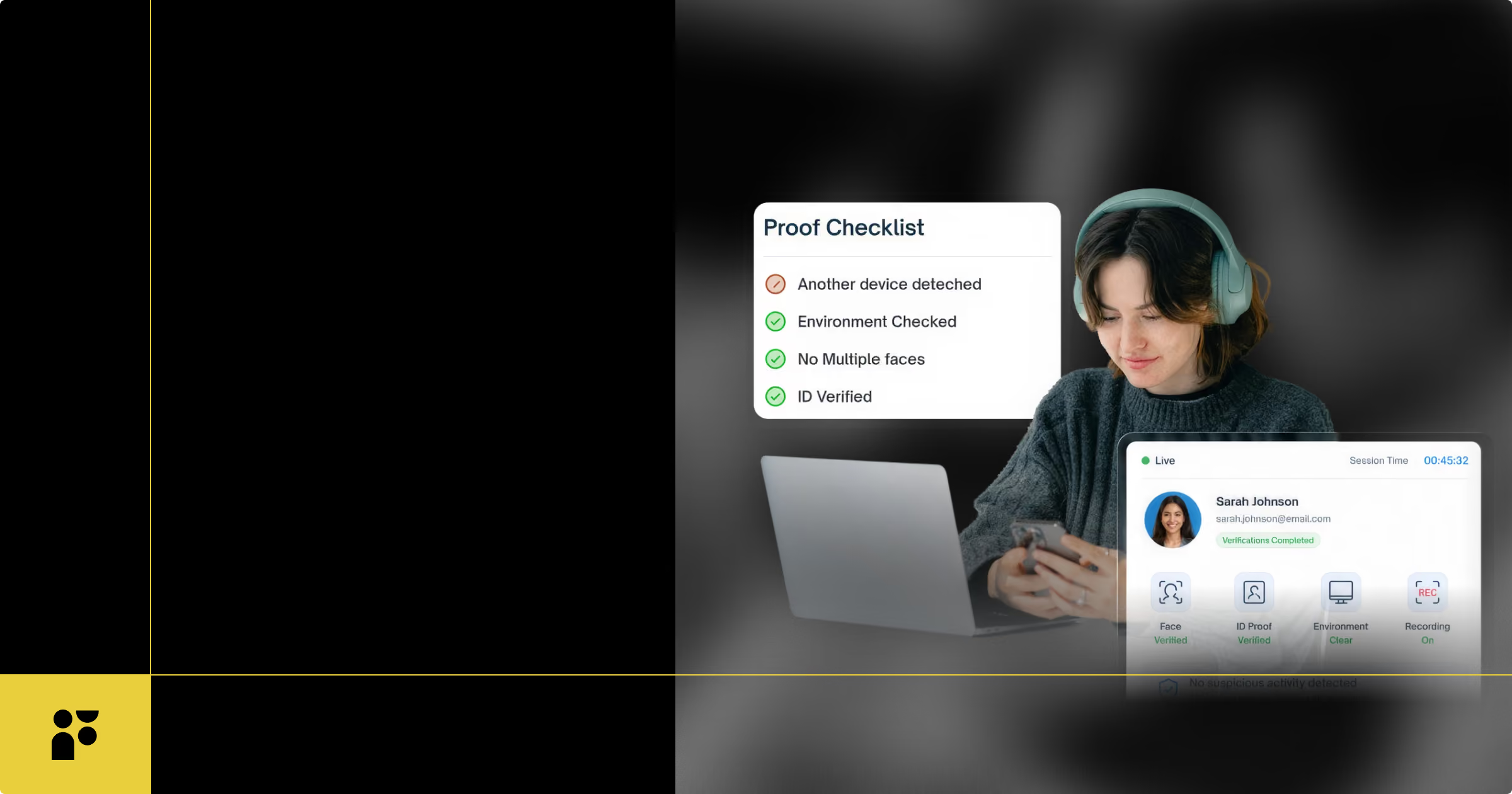
Certifications completed through the platform are AI-proctored, which means completion records are verified rather than self-reported. That matters when certifications are used to qualify employees for new roles, expanded responsibilities, or regulatory requirements — the credential means something because the assessment behind it was monitored.
Can employees shape their own development paths?
Yes. Employees can self-select their strengths and desired growth areas, which feeds into personalized development paths rather than a one-size program. That self-direction improves engagement and produces more useful data about where employees want to grow — which is often different from where managers assume they want to go.
How does skills mapping work in L&D Software?
Individual employee skill profiles are built using the same assessment infrastructure Findem uses for candidate evaluation — actual skills measurement, grounded in demonstrated capability rather than job title or tenure. Profiles roll up into an org-wide view that shows current skill levels against targets, flags gaps at the individual and team level, and surfaces employees with capabilities the organization isn't fully using. Real-time reporting keeps the picture current as skills develop.
How is L&D software different from a standard LMS?
A standard LMS delivers and tracks training content. Findem's L&D platform starts upstream — with skills assessment and gap identification — so development programs are built on actual data about what the workforce needs rather than available course catalogs. It also integrates with existing LMS and LXP tools, so it works alongside what your team already uses.
See people in higher resolution.