.svg)
Every score, earned. Every candidate, confirmed.
Remote hiring makes it hard to see who's actually in the room. AI Proctoring runs continuous behavioral checks before, during, and after every assessment and interview, so your team knows the candidate who passed is the one you're hiring.
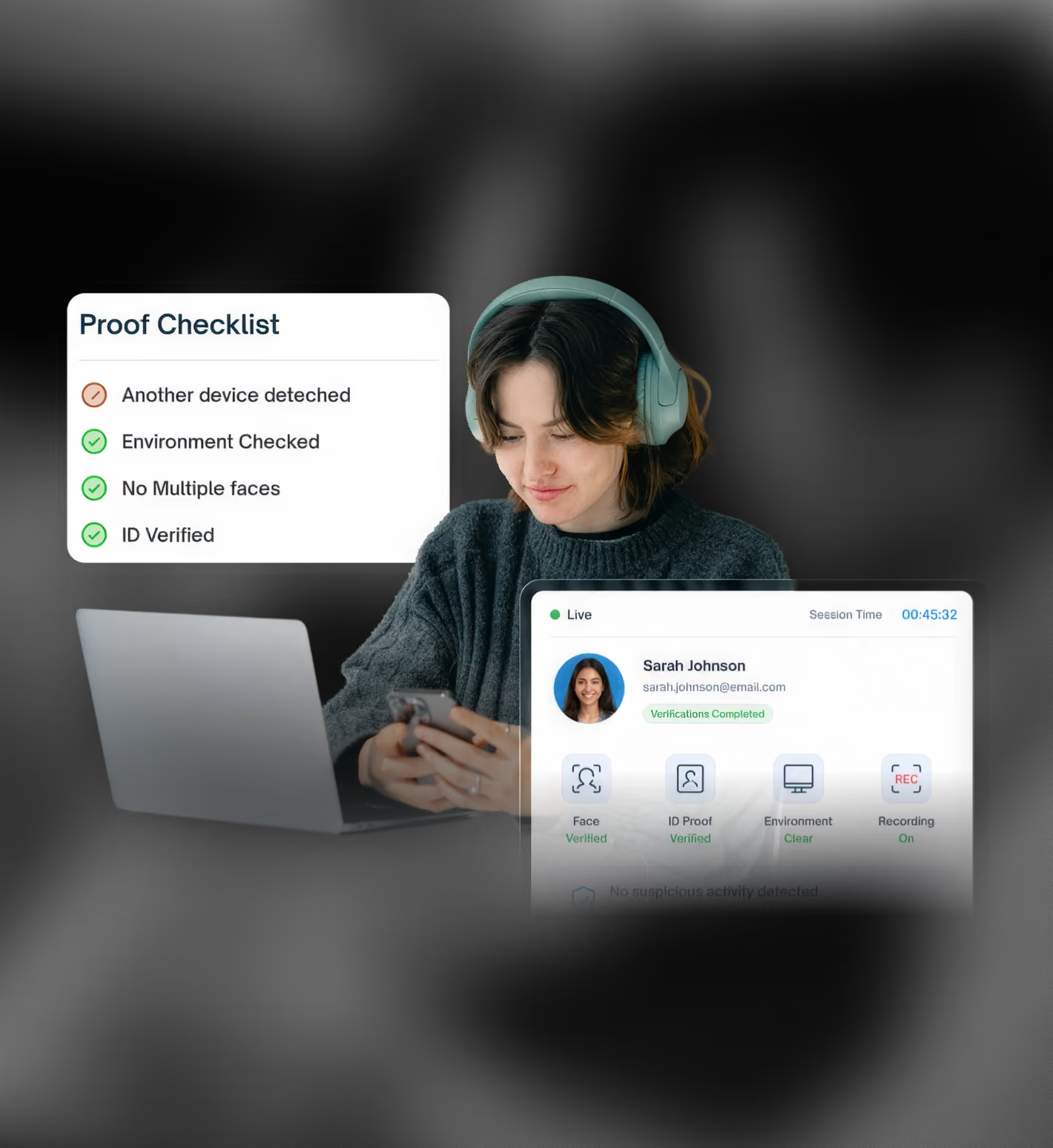
90% reduction in candidate fraud.
Remote hiring means you can't see who's in the room.
Asynchronous assessments and video interviews have made hiring faster, but they've also made it easier for candidates to get outside help. AI tools can generate responses in real time. Another person in the room can do the same.
The person who aced the test may not be the person you hired.
Proxy test-takers and interview swaps are real problems in high-volume and remote hiring. If identity continuity isn't tracked across every step, a candidate can pass with one person's performance and show up as someone else.
A flag isn't useful without context.
A blunt pass/fail leaves your team with no basis to act. Candidates sometimes look suspicious for innocent reasons, and hiring teams need the underlying evidence to make a defensible call — not just an alert to react to.
Shallow signals
Most AI relies on thin inputs like resumes and keywords. It can’t identify warm relationships or trusted connections, which means it’s working with an incomplete picture.
See exactly what happened.
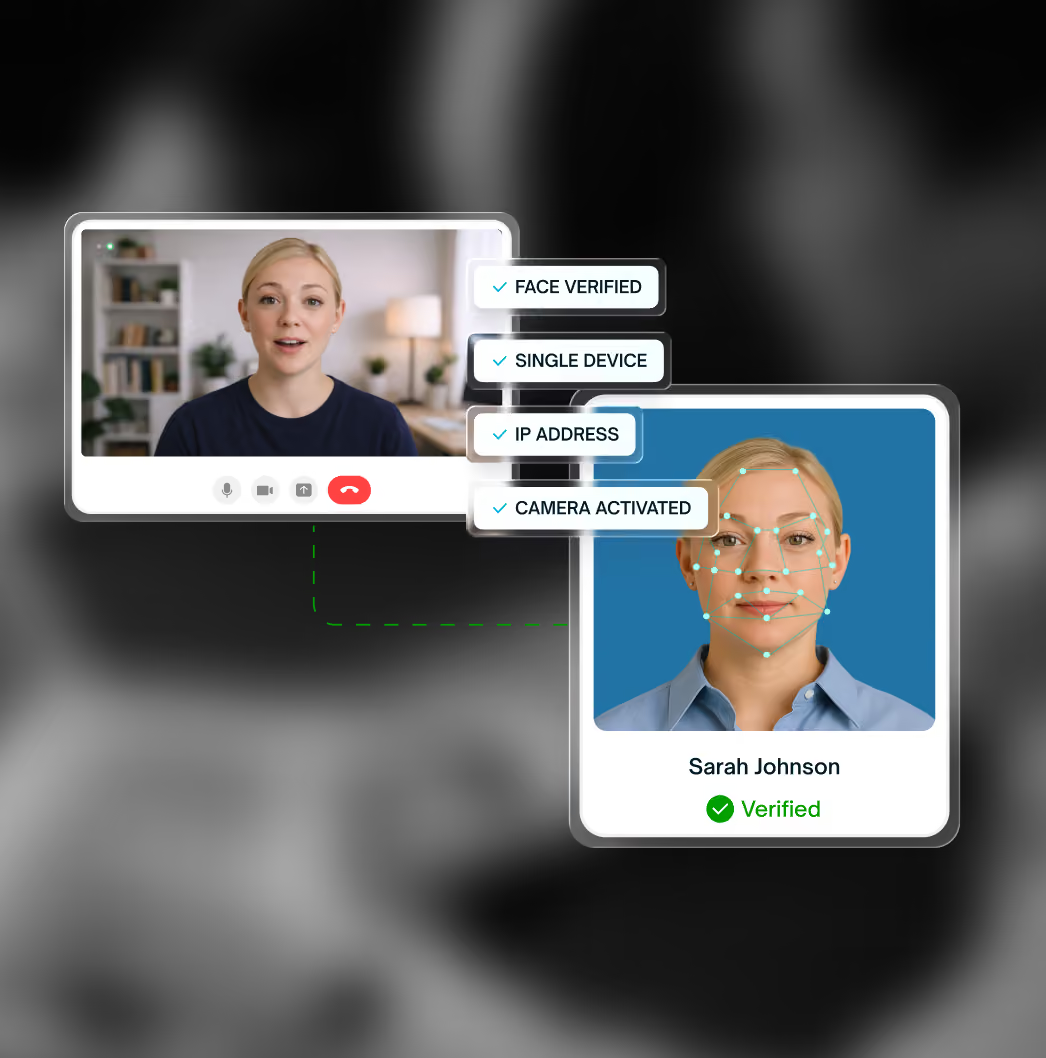
Start every session knowing it's the right person.
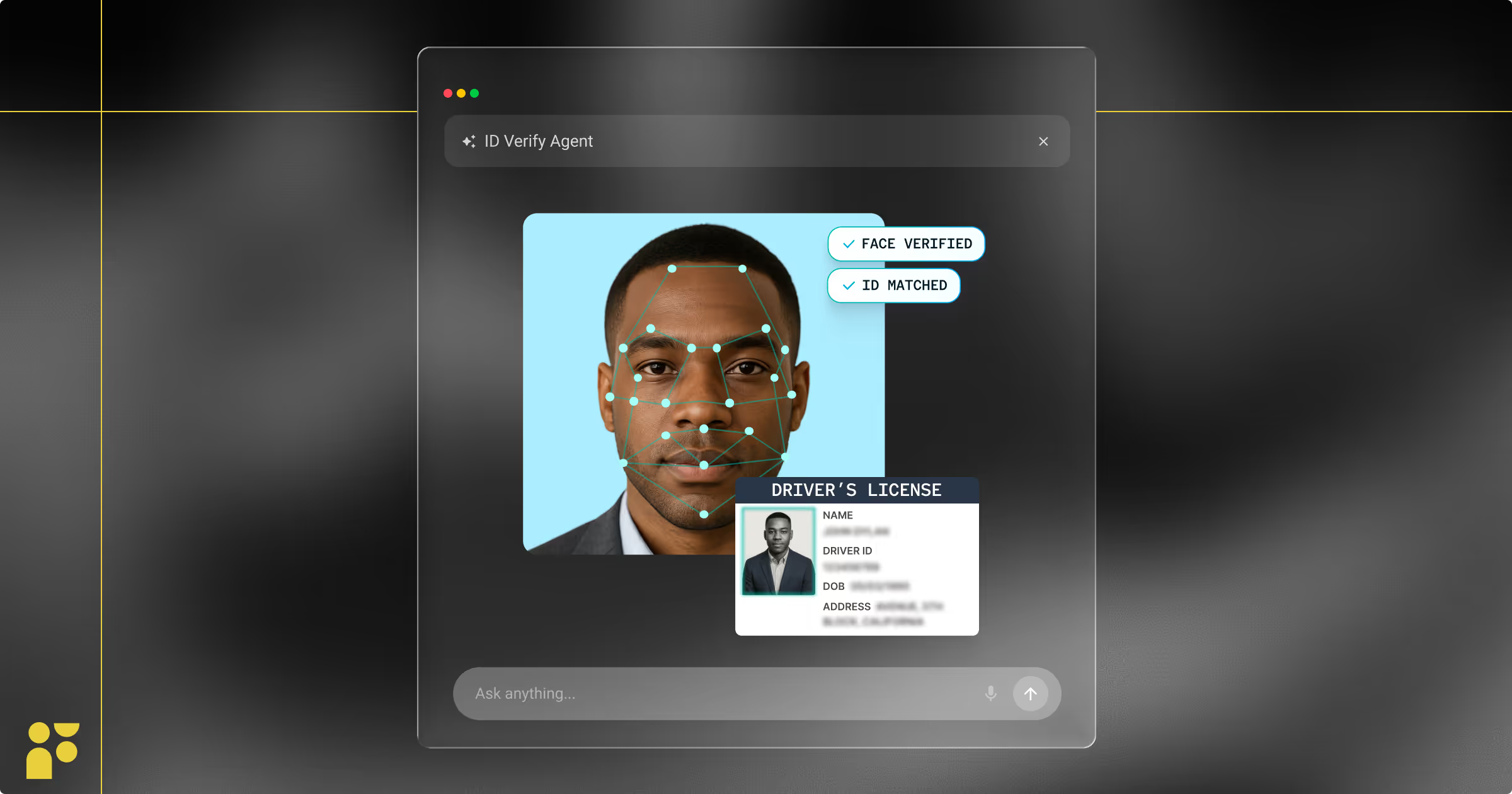
Before an assessment or interview begins, AI Proctoring confirms session readiness: geo-location and IP are recorded, the candidate's identity is captured and validated against submitted documentation, and device and permission checks verify that monitoring is active. Duplicate profile scanning flags candidates attempting re-entry under a different identity.
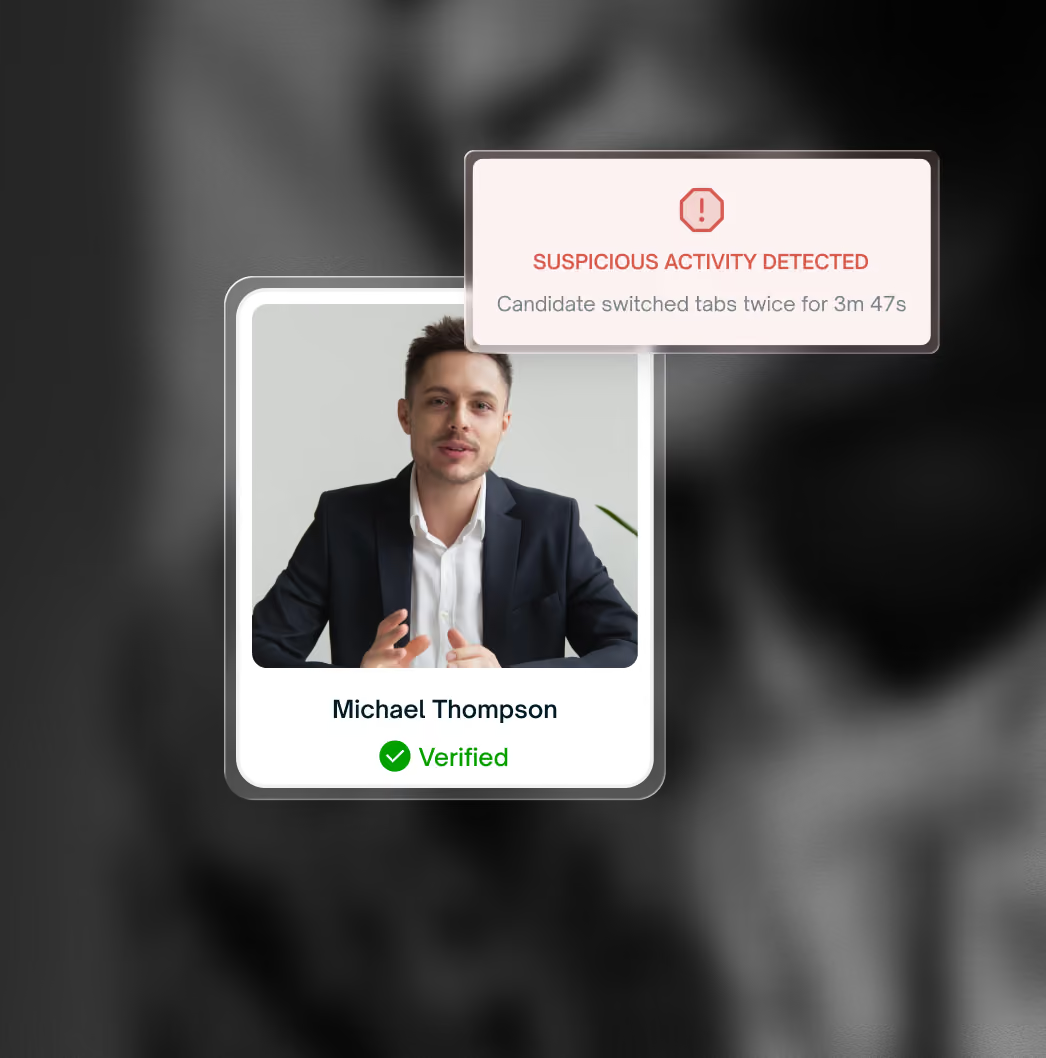
Continuous monitoring, not a single snapshot.
During every assessment and interview, AI Proctoring tracks the behavioral signals that matter: device activity (tab switching, external app use, copy-paste, and screen sharing), environmental signals (multiple faces on camera, background voices, and abnormal lighting), and authenticity signals (lip-sync inconsistencies, liveness analysis, and audio checks that flag synthetic speech and AI-generated responses). Automated integrity scoring and timestamped session records capture the full picture.
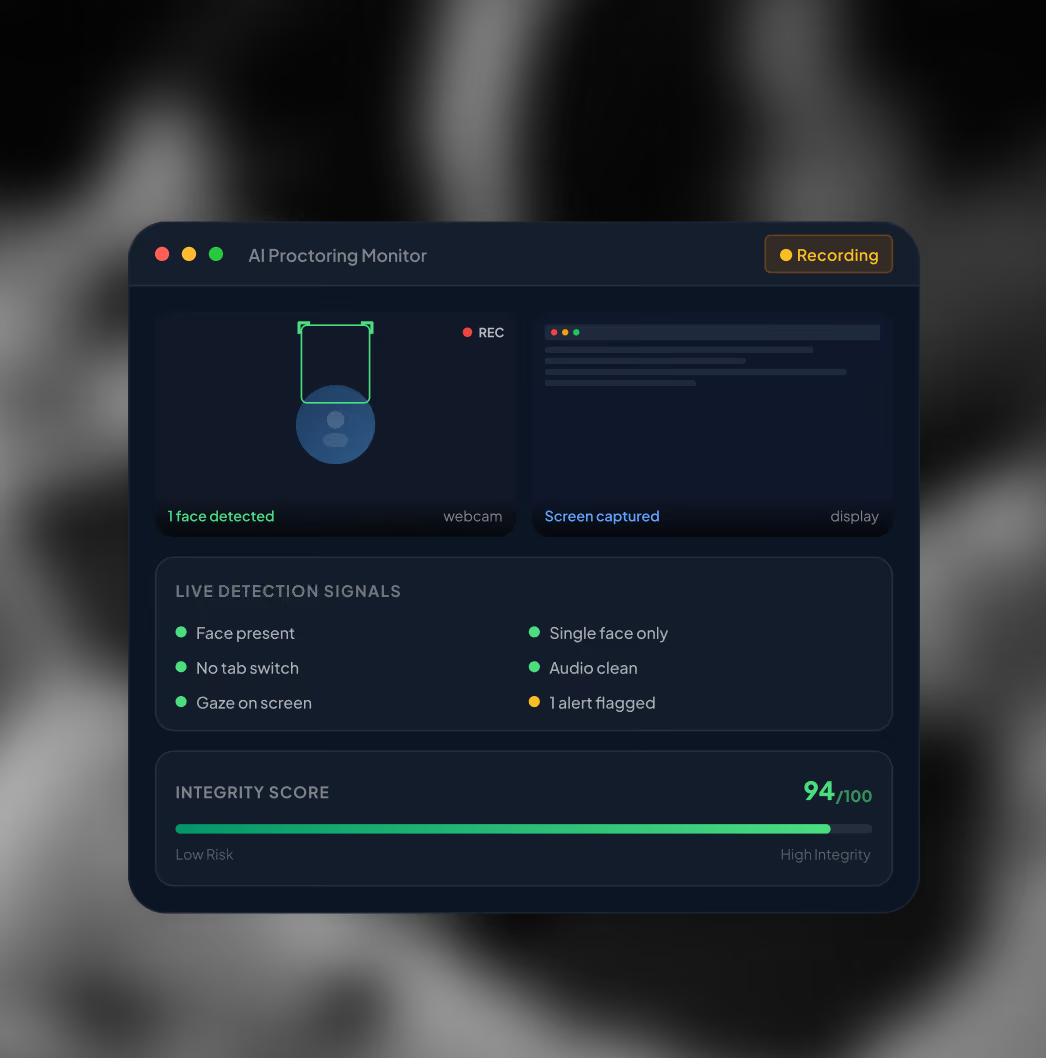
Evidence your team can act on.
After every session, AI Proctoring generates a candidate report with a cheating probability score backed by the specific signals that triggered it. Code submissions are checked for plagiarism and cross-profile reuse. Audio is analyzed for duplication across sessions. Your team sees what was flagged, why, and how significant it is. Nothing in the report automatically rejects a candidate.
Frequently asked questions.
How does online proctoring AI fit with the rest of Findem?
AI Proctoring is a standalone product that also sits within the Authenticity Suite — Findem's solution combining identity verification, integrity monitoring, and skills validation. It's built to work alongside your existing ATS and assessment workflows, with session data and candidate reports available where hiring decisions are already being made.
Does AI Proctoring cover both assessments and interviews?
Yes. AI-proctored skill assessments and AI-proctored interviews are both supported as part of the same continuous monitoring layer. The same behavioral checks — identity continuity, deepfake detection, environmental monitoring — run across both, so candidates can't pass a proctored assessment and then use a different approach in the interview.
How does AI Proctoring handle situations where a flag might be innocent?
The post-session report includes the specific signals that contributed to any flag, not just a score. That lets your team distinguish between a candidate who had someone else in the room and one who had a slow connection or an unusual background. With the underlying evidence in hand, reviewers can make a call with context rather than acting on an unexplained alert.
What does AI remote proctoring software actually monitor?
AI Proctoring runs checks across three phases. Before the session: geo-location, IP capture, identity validation, device and permission confirmation, and duplicate profile detection. During the session: tab switching, external app use, copy-paste, screen sharing, face detection, lip-sync and liveness analysis, background voices, brightness anomalies, and deepfake identification. After the session: a cheating probability score, timestamped session record, audio duplication analysis, and code plagiarism check.
Does AI proctoring software automatically reject candidates who are flagged?
No. Every flag is surfaced for your team to review alongside the evidence that triggered it. No candidate is rejected automatically. The system gives your hiring team the information to make a defensible decision, and the decision itself stays with a person. That keeps your team in control and creates an auditable trail for every call made on flagged candidates.
See people in higher resolution.