.svg)
Real environments. Real tasks. Real signal.
Algorithm puzzles test a narrow, artificial skill. Coding Simulations put candidates in the actual tools and environments the job requires, and evaluate whether they can do the work.
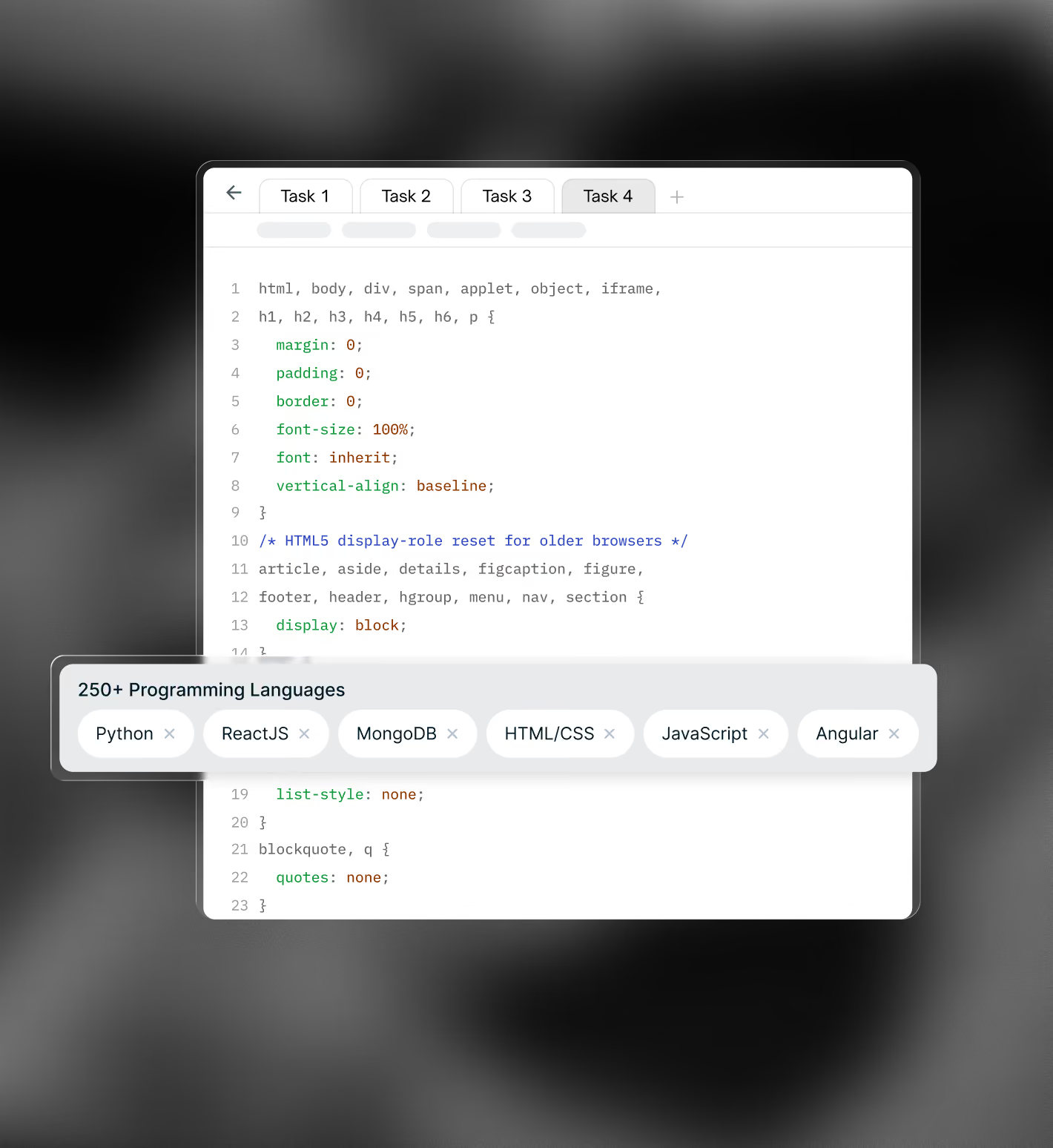
Coding ability you can't fake in a real environment.

Whiteboard-style questions don't predict real coding performance.
Algorithm questions measure a specific kind of problem-solving ability that may have little to do with the actual job, and a developer who can recite time complexity but struggles to implement a REST endpoint isn't ready for the role.
Portfolio reviews are slow, inconsistent, and easy to game.
Portfolio reviews put the burden on hiring teams to manually evaluate work that may be polished for presentation rather than representative of actual skill. They're time-consuming, hard to standardize, and easy to misrepresent across candidates.
Most tests cover developers but ignore QA and DevOps.
Engineering hiring spans more than frontend and backend development, and QA engineers who can write test automation scripts or DevOps engineers who can debug configuration issues are equally hard to evaluate without a realistic environment, leaving those roles without a reliable signal.
Shallow signals
Most AI relies on thin inputs like resumes and keywords. It can’t identify warm relationships or trusted connections, which means it’s working with an incomplete picture.
Test candidates in the job, not on a puzzle.
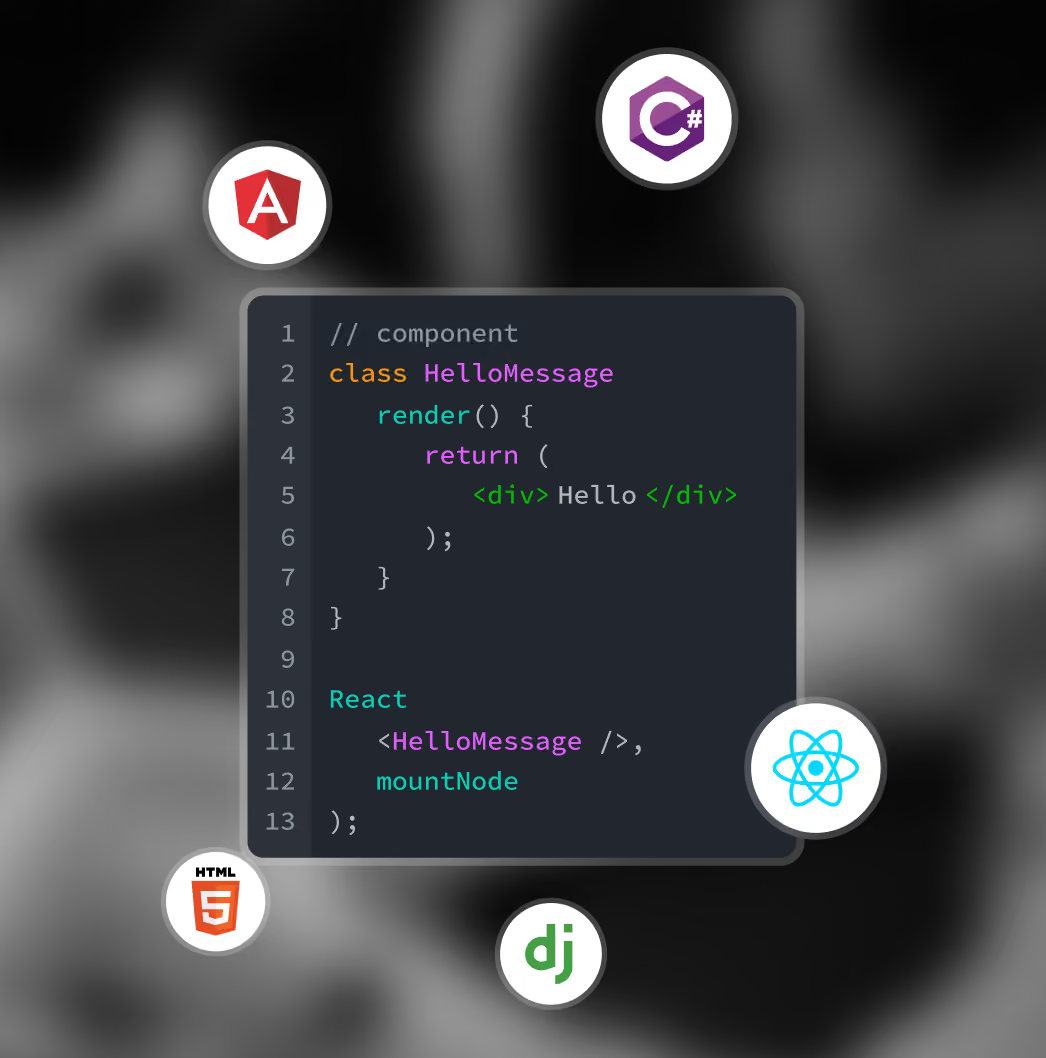
Run complete projects in a browser-based development environment.
WebIDE Simulations let candidates build complete frontend, backend, or full-stack projects in any programming stack, directly in the browser with no setup required. Frontend tasks involve implementing CSS, building Angular functionality, or debugging a React application. Backend tasks cover building a FIFO cache, optimizing query execution plans, or implementing REST endpoints. Each task maps to what the job requires, and auto-grading scores the output against defined criteria.
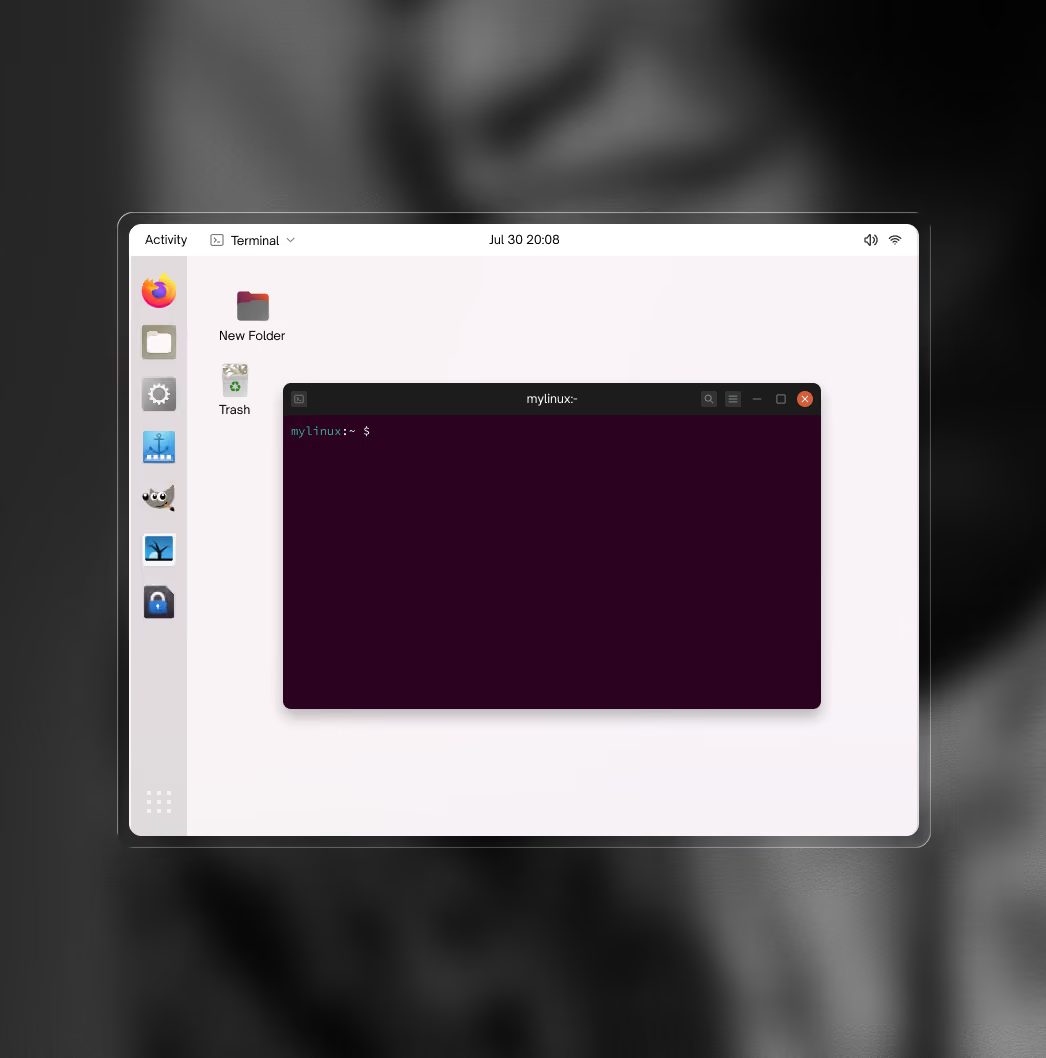
Simulate a full Linux environment, configured to your stack.
Virtual Desktop provides a complete simulated Linux machine configurable to the exact tools, frameworks, and conditions of the role, so data science candidates work with Spark and Hadoop on real data tasks, DevOps candidates debug configuration issues and write deployment scripts in Docker or Jenkins, and QA candidates write and debug automation scripts in Selenium or Pytest. The environment is the evaluation, and there's no way to perform well without being able to do the work.
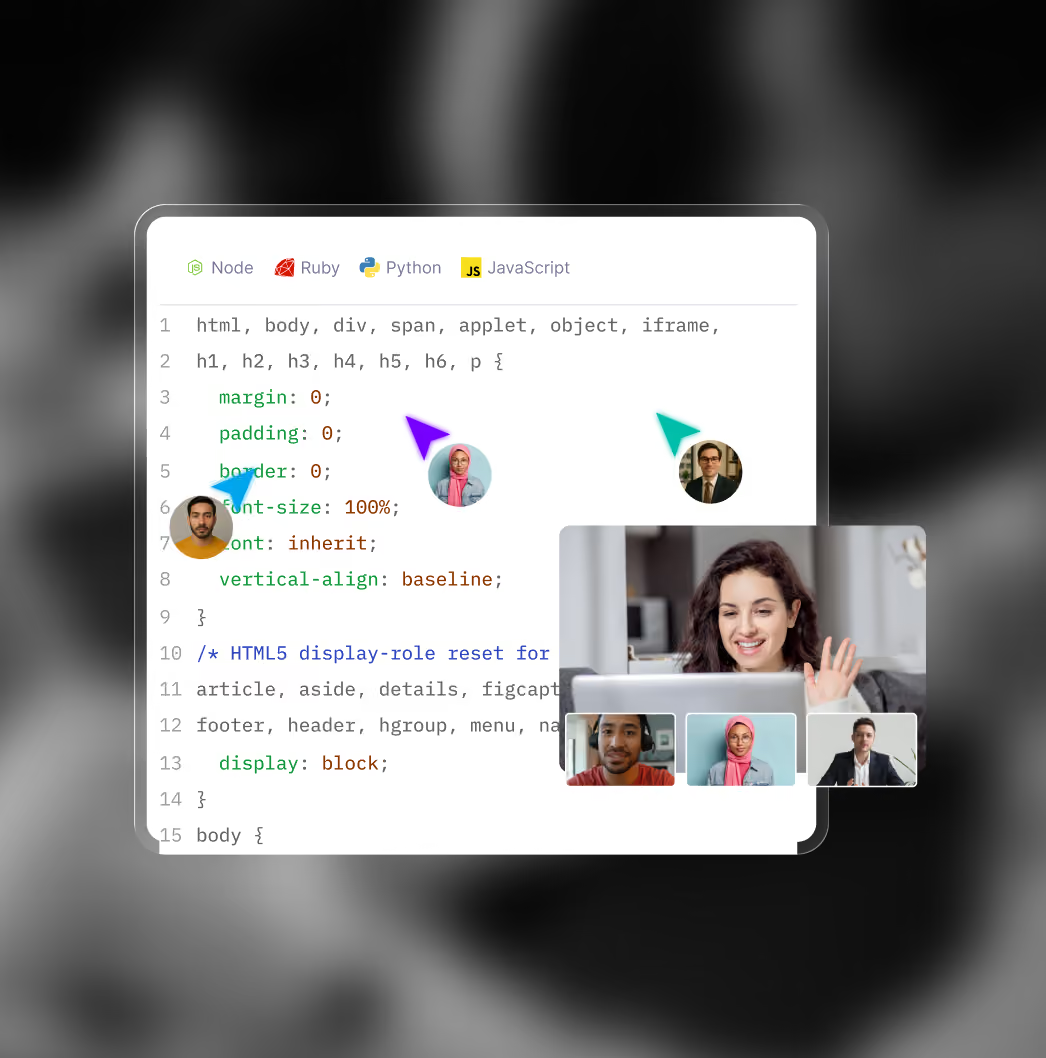
Cover the full engineering org, not just developers.
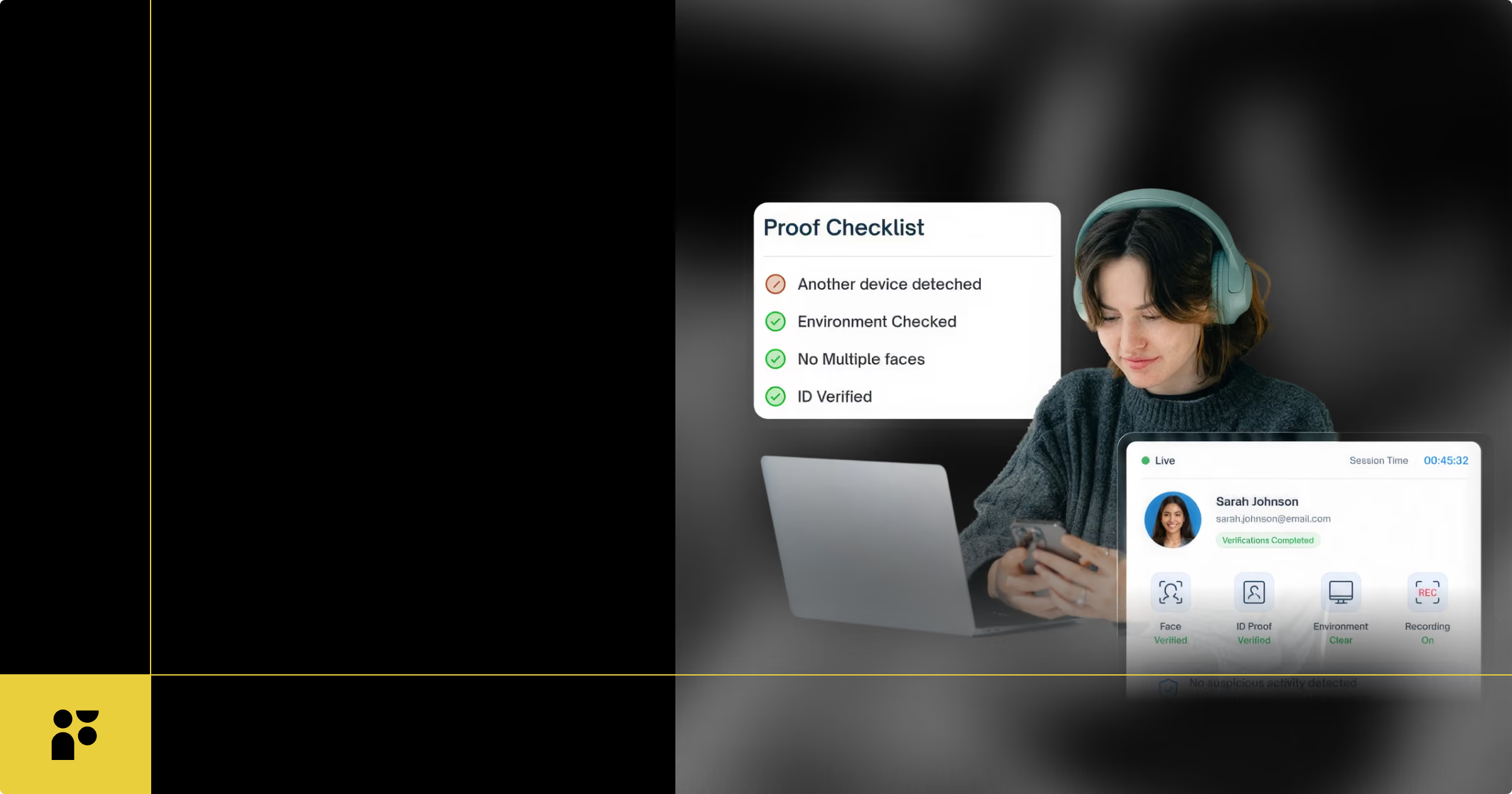
Coding Simulations cover the full technical hiring footprint: data science, frontend, backend, quality assurance, and DevOps. Each domain includes tasks specific to the tools and workflows of that function. Environment realism and auto-grading apply consistently across all of them. AI proctoring runs throughout every session, so results come with a verified integrity record alongside the technical score.
Frequently asked questions.
Can candidates use AI tools during a Coding Simulation?
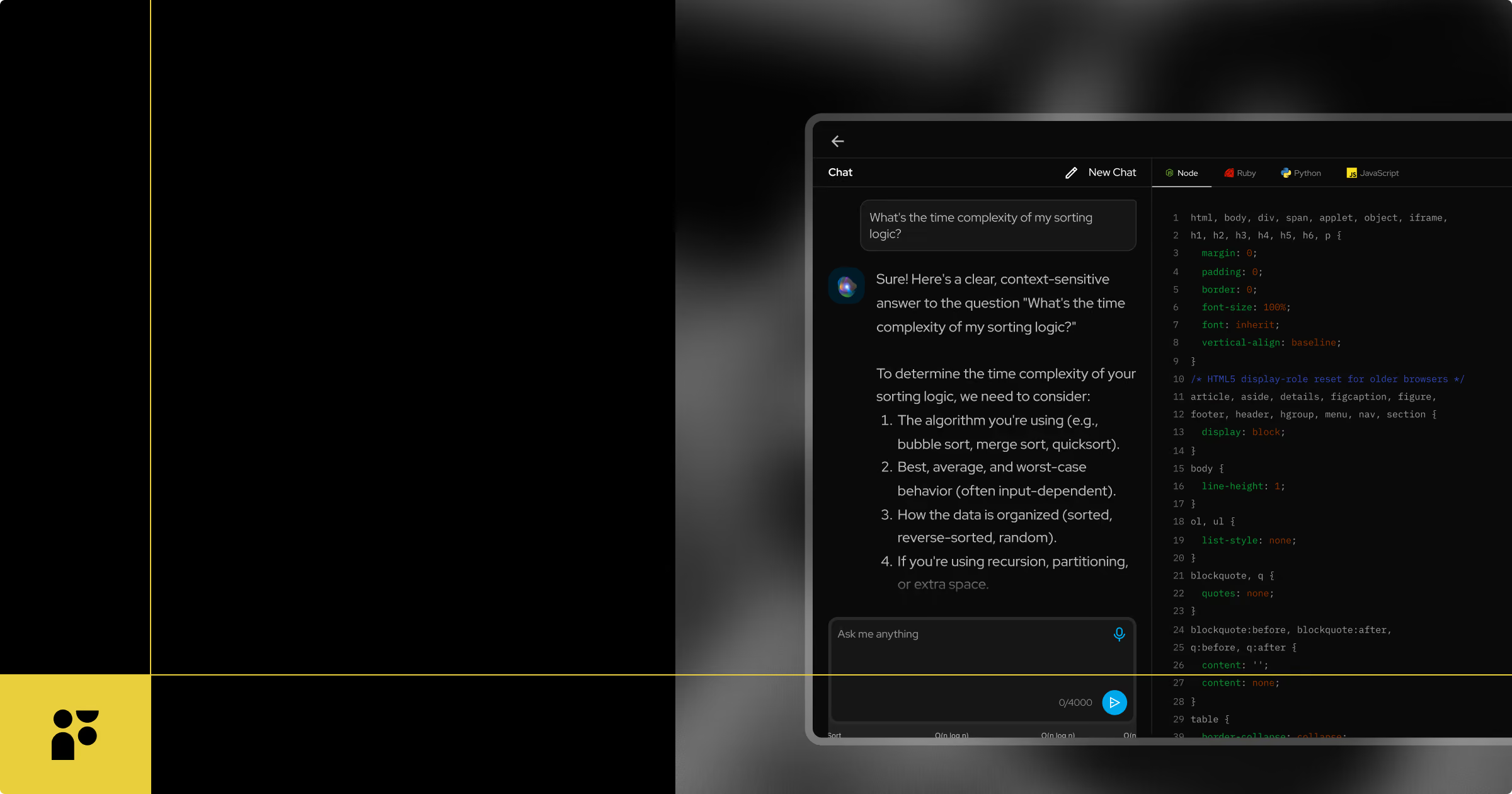
That's configurable per simulation. AI Assessment Assistant can be enabled to give candidates real-time support — the same kind of context and feedback they'd get from a capable colleague on the job — while capturing how they use that support as an additional signal. When enabled, the report includes an AI fluency dimension alongside the technical score. When turned off, the simulation runs as a standard evaluated task.
How is scoring handled on the coding simulation platform?
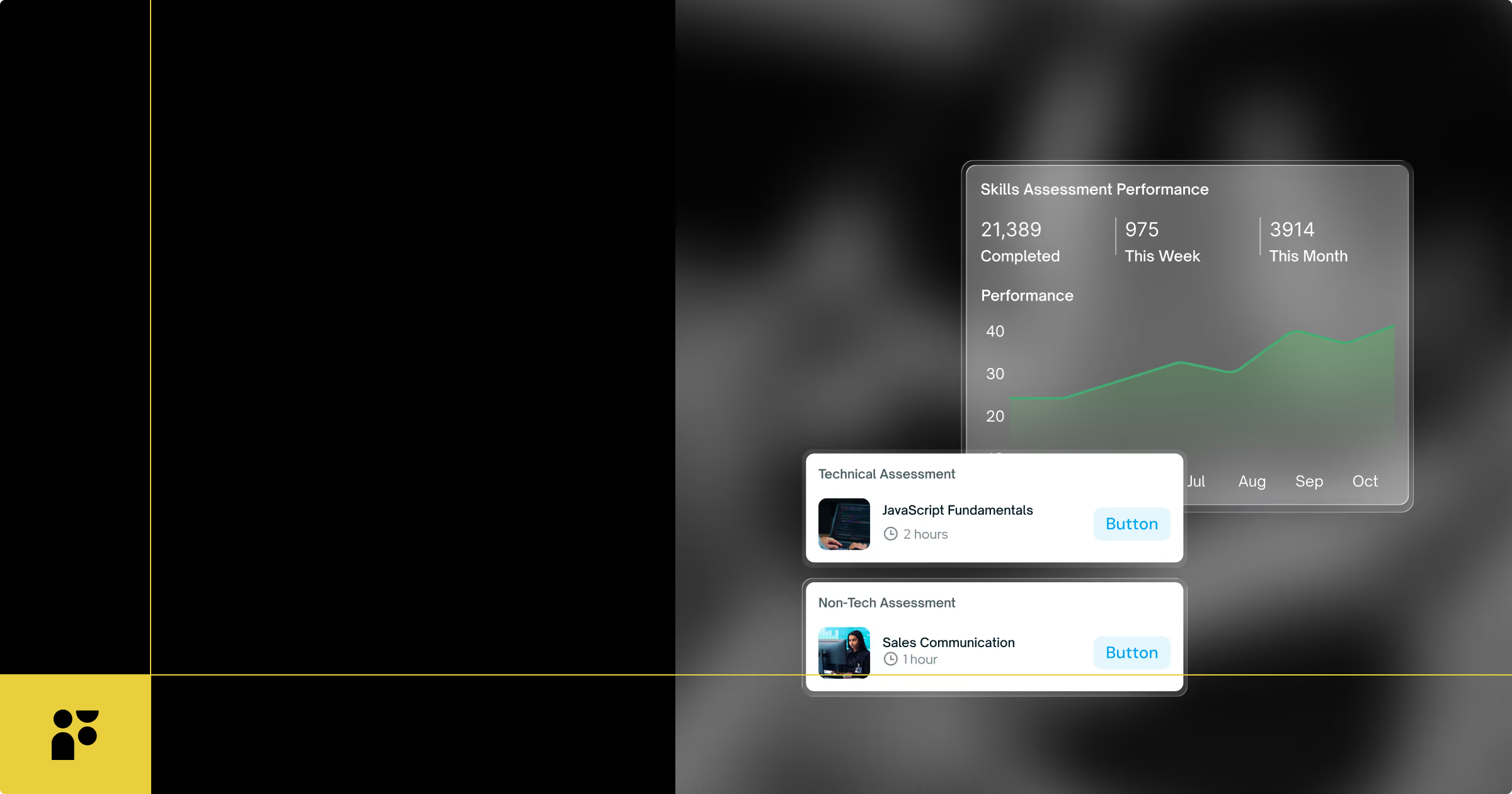
Simulations are auto-graded against defined criteria for each task. Hiring teams receive a detailed performance report rather than just a pass/fail score. AI proctoring runs throughout the session and generates a separate integrity report — so results come with both a technical assessment and a verified record of how the session was conducted.
Which technical roles does Coding Simulations cover?
Coding Simulations cover five core technical domains: Data Science, Frontend Development, Backend Development, Quality Assurance, and DevOps. Each domain includes tasks mapped to the real tools and frameworks of that function — Spark and Hadoop for data science, React and Angular for frontend, Django and MySQL for backend, Selenium and Pytest for QA, Docker and Jenkins for DevOps. Coverage extends beyond these five; confirm the full scope with your Findem contact.
What coding simulation software environments are available?
Two modes are available. WebIDE Simulations run complete frontend, backend, and full-stack projects in a browser-based development environment supporting any programming stack. Virtual Desktop provides a fully configurable Linux machine for roles that require deeper environment access — particularly data science, DevOps, and QA. Both are auto-graded and run within the same AI-proctored environment.
How does a coding simulator for hiring differ from a standard online coding test?
Standard coding tests ask candidates to solve algorithm or data structure problems in a generic editor. Coding Simulations put candidates in an environment that mirrors the actual job — a full WebIDE for frontend, backend, or full-stack work, or a configurable Linux virtual desktop for data science, DevOps, and QA roles. Tasks are drawn from real engineering work: building features, debugging systems, writing test scripts, configuring deployments. The signal is closer to day-one performance than any algorithm question can produce.
See people in higher resolution.