

What is a skills gap analysis?
A skills gap analysis compares the skills, knowledge, and competencies a workforce has today with the ones it needs now and in the future. It can cover a whole organization, a team, a role, or one person. The result shows where capability is short, so leaders can decide whether to train, redeploy, or hire people to close each gap.
How a skills gap analysis works
The US Office of Personnel Management (OPM) Workforce Planning Guide defines a skill gap as a variance between the current and projected workforce size and skills needed to ensure an organization has the talent to meet its mission, now and into the future. Citing the Government Accountability Office's report GAO-15-223, the guide splits gaps into two kinds:
- Staffing gap: Too few people to complete the work.
- Competency gap: People without the skills, abilities, or behaviors to perform the work successfully.
Identifying skill gaps is step two of OPM's five-step workforce planning model, where the method is to evaluate the gap between current supply and projected demand. The capability gap analysis form reproduced in the guide shows one way to do it. For each competency in an occupation or workforce segment, the team records the current attained proficiency level, the current desired level, and the future desired level, then calculates a current gap and a future gap. Competencies with gaps are then put in priority order.
The evidence can come from inside and outside the organization. OPM lists competency assessments, training data, job analysis, subject matter expert interviews, and workforce dashboards as internal sources, and labor market analysis, O*NET, and Bureau of Labor Statistics data as external ones. GAO's review of federal efforts adds three lessons: use data early in the process, prioritize occupations by their impact on the work, and consult subject matter experts before deciding where the gaps are.
Usage varies. Some organizations run the analysis for a whole workforce during annual planning, and others run it for a single team or role when the work changes.
Why skills gap analysis matters for talent teams
- Choosing build, buy, or move: OPM's model follows gap analysis with strategies to close the gaps, including recruiting, training or retraining, restructuring, contracting out, and succession planning. The analysis tells a talent team which of those to use for each gap.
- Seeing future needs: OPM's guide says workforce planning gives organizations a comprehensive picture of staffing level gaps alongside current and future competency gaps.
- Grounding hiring plans: When a gap is better closed by hiring, the analysis becomes the input for headcount and role requirements. Findem's post on proactive talent pipelines describes teams running skill gap analyses to anticipate future capability needs rather than backfilling roles one at a time.
How Findem approaches skills gap analysis
Findem's workforce planning capabilities help leaders identify emerging roles, anticipate skill gaps, and understand how career patterns shape success. Teams can compare team composition, experience profiles, and tenure across companies and peers, and see where talent is concentrated by location. Market intelligence grounds that planning in observed outcomes, such as experience gained at key growth stages.
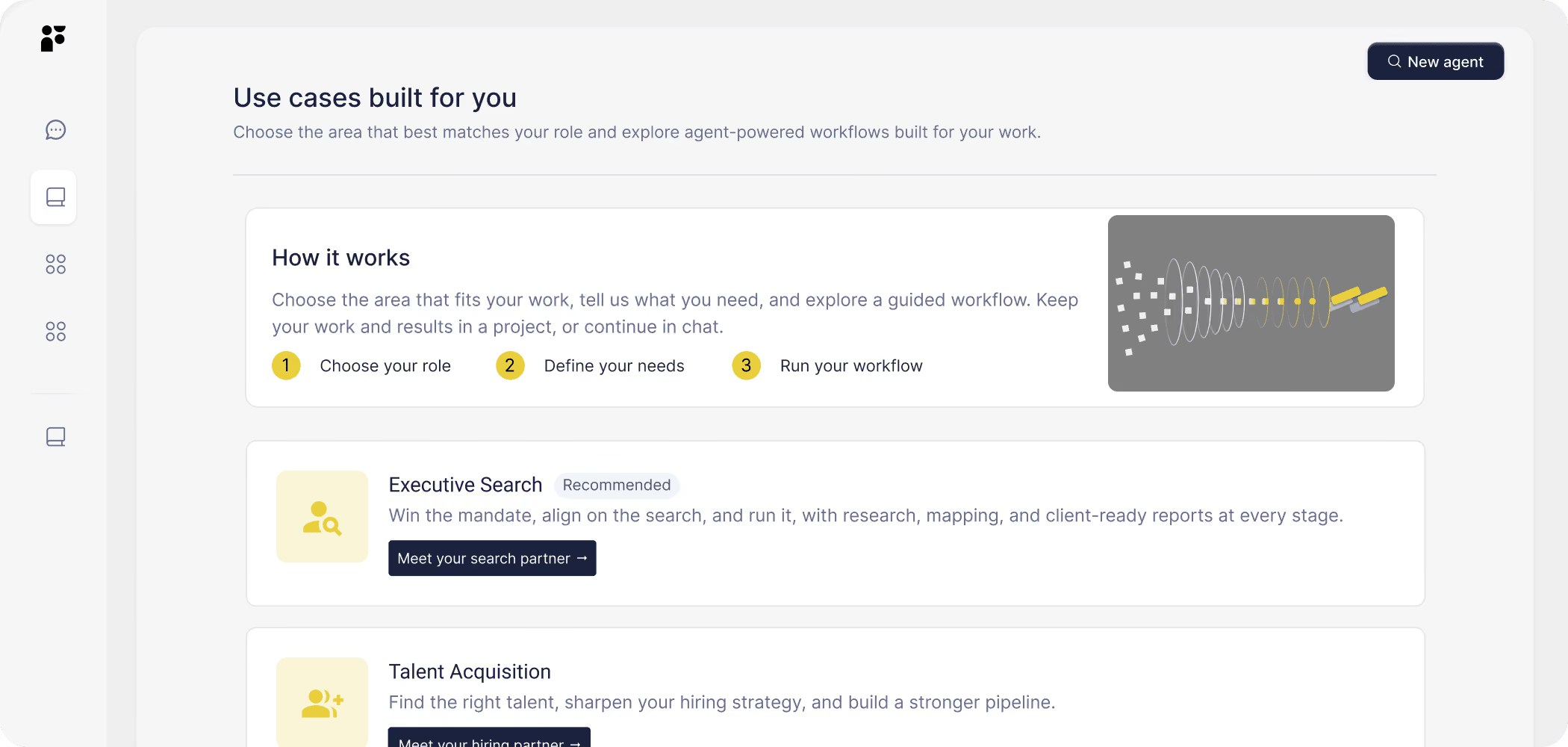
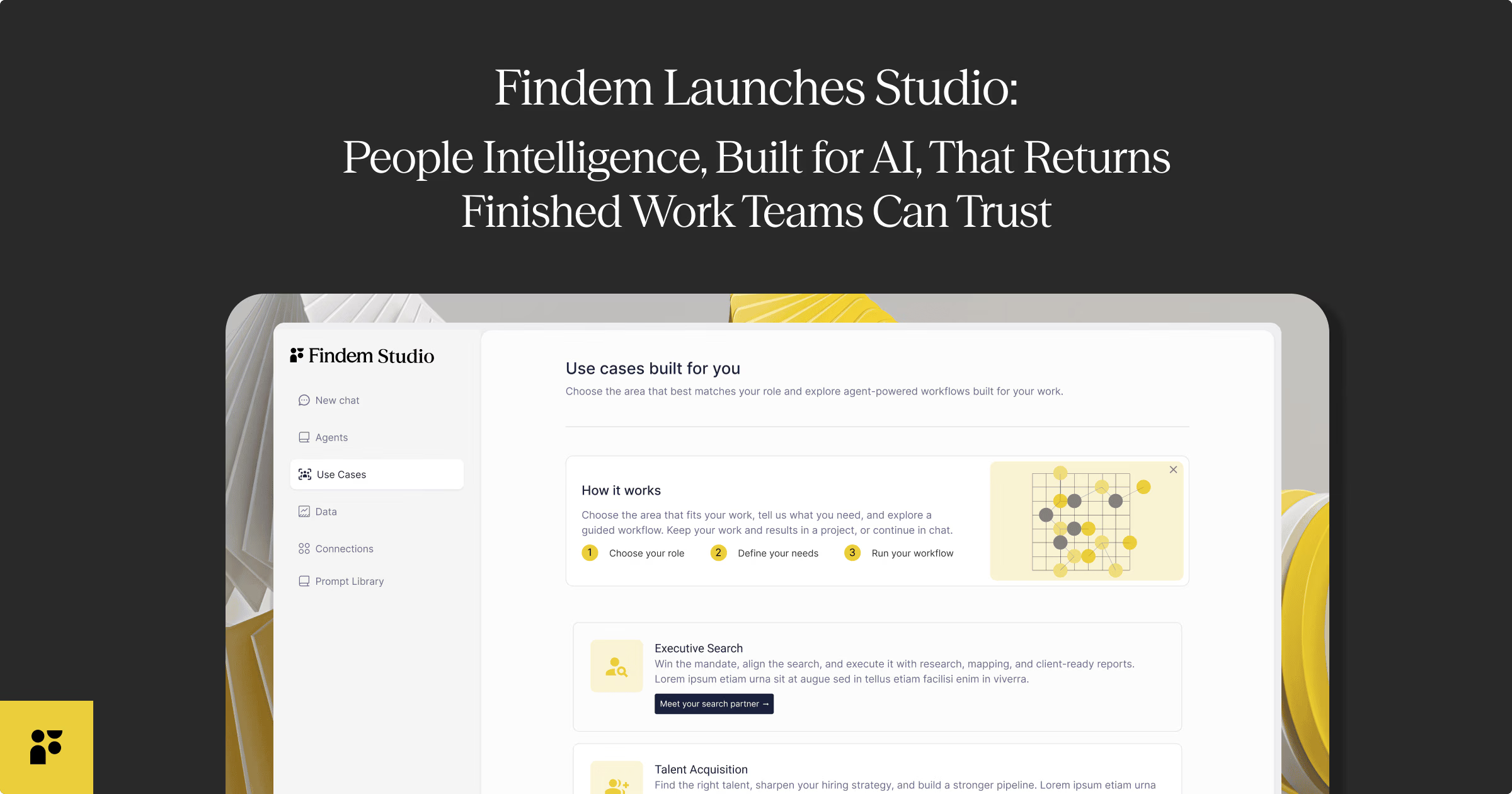
In Findem Studio, HR consulting agents map skills gaps, analyze how talent moves in and out of an organization, benchmark leadership structures against comparable companies, and build succession plans. Findem's example workforce skills gap analysis shows the approach with sample data. It reports how many employees have documented experience in each capability, notes that coverage does not measure proficiency, and states that missing evidence does not establish a skills gap. Its suggested next steps are to validate the evidence with employees and managers, agree on target capabilities for each role, and then plan development.
Further reading
Related terms
Sources
- Workforce Planning GuideUS Office of Personnel Management, November 2022
- Workforce planning modelUS Office of Personnel Management
- GAO-15-223, Federal workforce: OPM and agencies need to strengthen efforts to identify and close mission-critical skills gapsUS Government Accountability Office, January 2015
- Talent workforce planning
- Findem market intelligence
- Findem Studio
- Workforce skills gap analysis exampleFindem Studio, sample data