


What is an intake meeting?
An intake meeting is the conversation a recruiter and hiring manager hold before a search starts to agree on what a role needs. They confirm the duties, must-have and nice-to-have requirements, location, level, budget, assessment plan, and timeline, so sourcing, screening, and interviews all work from the same written brief.
How an intake meeting works
An intake meeting usually happens once a role is approved and before the job is posted or sourcing begins. US federal hiring guidance describes the same step. OPM's Delegated Examining Operations Handbook calls discussing the job with the hiring manager "an important first step," so that HR understands the position and the competencies a new hire would need, and the hiring manager understands the options for filling it.
OPM's Talent Surge Playbook lists the work hiring managers should do with HR before a job announcement is posted:
- Make sure the position description is accurate and up to date.
- Complete a job analysis to identify the critical competencies for the position.
- Help identify or develop the assessment tool used to evaluate candidates.
- Develop a recruiting strategy.
- Make sure the job announcement describes the duties, competencies, and experience in an easy-to-understand way.
Private-sector intake meetings cover similar ground. Findem's role calibration playbook adds the business outcome the hire must deliver, why the role is open now, no more than three or four must-have requirements, location and work model, level and compensation, target companies, how the search will be measured, and a date to review the first slate.
Why intake meetings matter for talent teams
An intake meeting is where the recruiter and hiring manager agree on the search before it starts:
- A realistic bar: Every hard requirement shrinks the candidate pool. The intake meeting is where the recruiter and hiring manager decide which requirements are true must-haves and which can flex.
- Hiring manager involvement: OPM treats the idea that hiring managers should stay out of hiring actions as a myth. Its guidance says they can and should be involved, working closely with HR before the job is posted.
- Speed: OPM's September 2026 time-to-hire guidance asks HR offices to engage early with hiring managers, and hiring managers to define requirements and assessment needs in advance, as part of meeting its 80-day federal hiring standard.
How Findem approaches intake meetings
Findem treats intake as calibration backed by market evidence. Its role calibration playbook recommends bringing market evidence to the hiring manager, agreeing which requirements can flex, and only then starting to source. The playbook includes a role brief and a tradeoff table that recruiters can copy into their own intake doc.
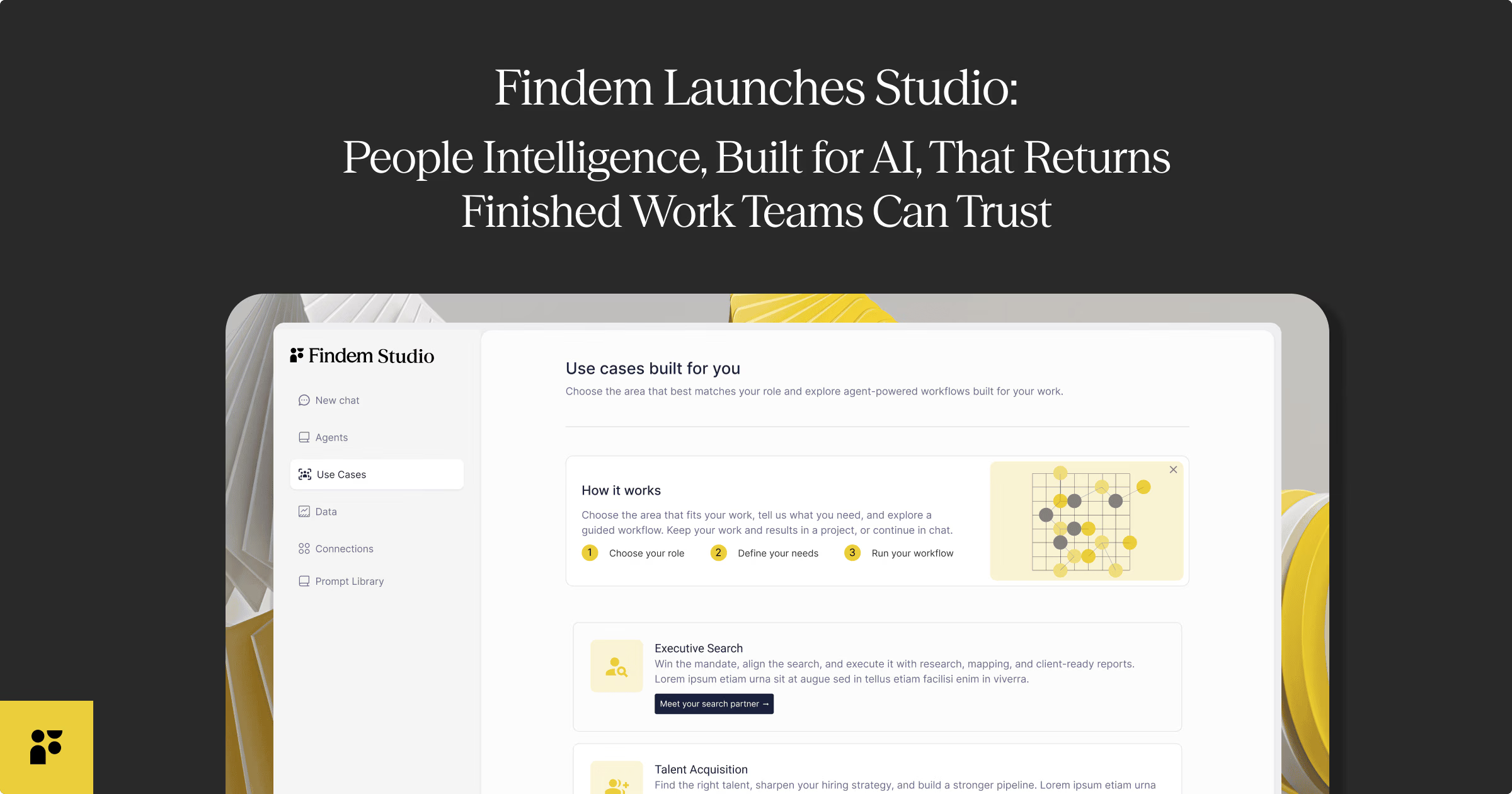
In Findem Studio, the Role Calibration agent turns a hiring conversation into a scored, market-tested search the recruiting team can run, with the hiring manager in control of the bar. The Intelligent Job Post starts with a guided intake that captures what the job description leaves out, including must-haves, nice-to-haves, and screening criteria, and turns it into a scorecard. Findem then previews real, vetted candidates so the team can confirm or adjust the bar before the search starts.
Further reading
Sources
- Delegated Examining Operations HandbookUS Office of Personnel Management, June 2019
- Talent Surge: Playbook for rebuilding the federal workforceUS Office of Personnel Management, December 2021
- Guidance on time-to-hire under the Merit Hiring PlanUS Office of Personnel Management, September 30, 2026
- Market-informed role calibration: A recruiter playbook and intake worksheet
- Findem Studio
- Intelligent Job Post