


.svg)
Your talent map is missing the most important signal: Movement

September 30, 2026
A list of target companies can tell you where to look. It can't, by itself, tell you whether relevant talent is joining those companies, leaving them, or circulating elsewhere.
For talent acquisition teams, that distinction matters: a credible hiring plan needs both a map and a sense of motion.
Why does a static target list fall short?
A company may look like an obvious talent source because of its reputation or scale. But the movement in and out of a specific role can tell a different story: who's joining, who's leaving, where they're coming from, where they're heading next, and whether that pattern is accelerating or fading year over year. That's evidence.
Without that view, sourcing leans on familiar names instead of a current account of the market. The hiring plan ends up harder to defend, and the strategy gets built without a clear read on mobility or competitive pressure.
What changes when you analyze role talent flows?
The better question is how this talent is moving.
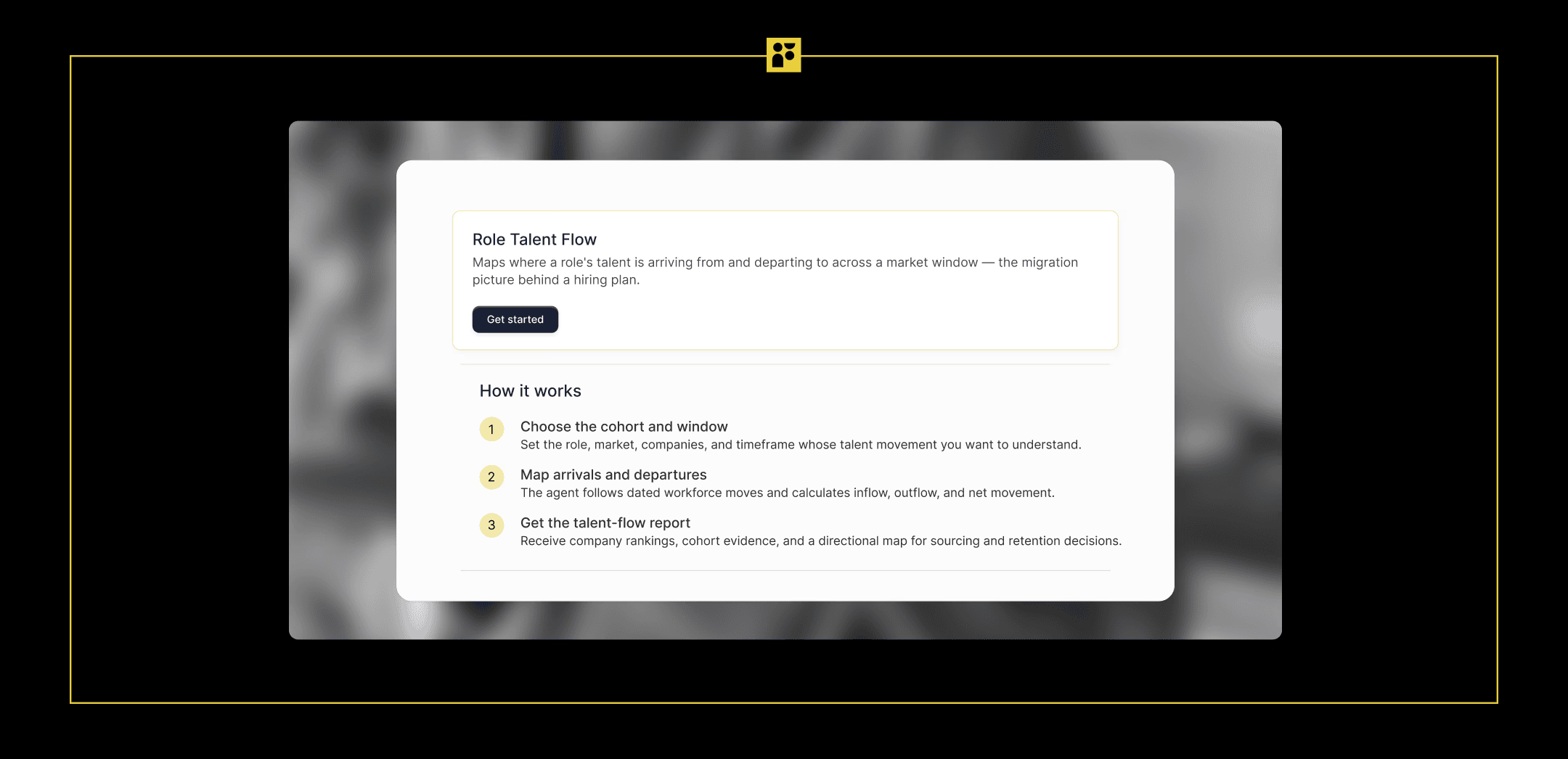
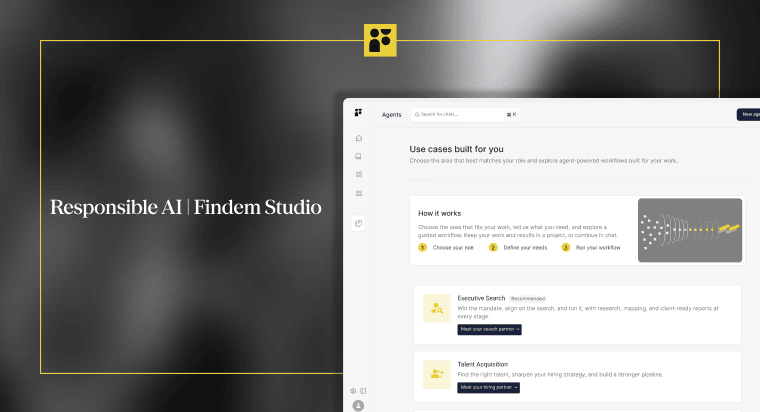
Role Talent Flow is an agent inside Findem Studio, our agentic work environment built on a foundation of people intelligence. It examines a role across the market, companies, and timeframe you set and turns inflow, outflow, net movement, and the top source and destination companies into a finished deliverable.
That gives talent acquisition teams a structured basis for sourcing and retention decisions: whether the market is expanding or contracting, and which companies are shaping that movement. The decision stays with the team. The analysis gives them better evidence for making it.
What might this reveal in practice?
Hypothetical scenario: A talent acquisition team enters a role, a set of target companies, and a three-year period. The resulting analysis shows inflow, outflow, net movement, and the leading source and destination companies.
The team uses those signals to pressure-test its initial target-company assumptions and frame a more evidence-backed hiring plan with the hiring manager.
This is an illustrative scenario, not a reported customer result.
A better hiring plan starts with a better market question
Talent acquisition teams need evidence that makes the market easier to explain and the next sourcing choice easier to defend. Talent-flow analysis turns movement into that evidence.
Show your hiring managers where the talent is moving. Try Role Talent Flow for free today→

%20Paikeday.avif)