

.svg)
AI talent strategies for retail employees

December 1, 2025

Findem’s market intelligence unlocks labor market insights from the world’s largest, multidimensional talent dataset.
Retail is in the middle of a technological reset. From personalized shopping to predictive inventory management, artificial intelligence is no longer a future bet. It is the present driver of competitiveness. The industry faces a critical challenge: how to access and retain the right AI talent at the right time.
Our analysis shows that tenure patterns among AI professionals in retail are not random. They follow a rhythm that offers clear signals for when talent is most likely to be open to change. Recognizing this rhythm is more than a recruiting tactic. It is a strategic insight for leaders shaping the future of retail.
The tenure curve of retail AI professionals
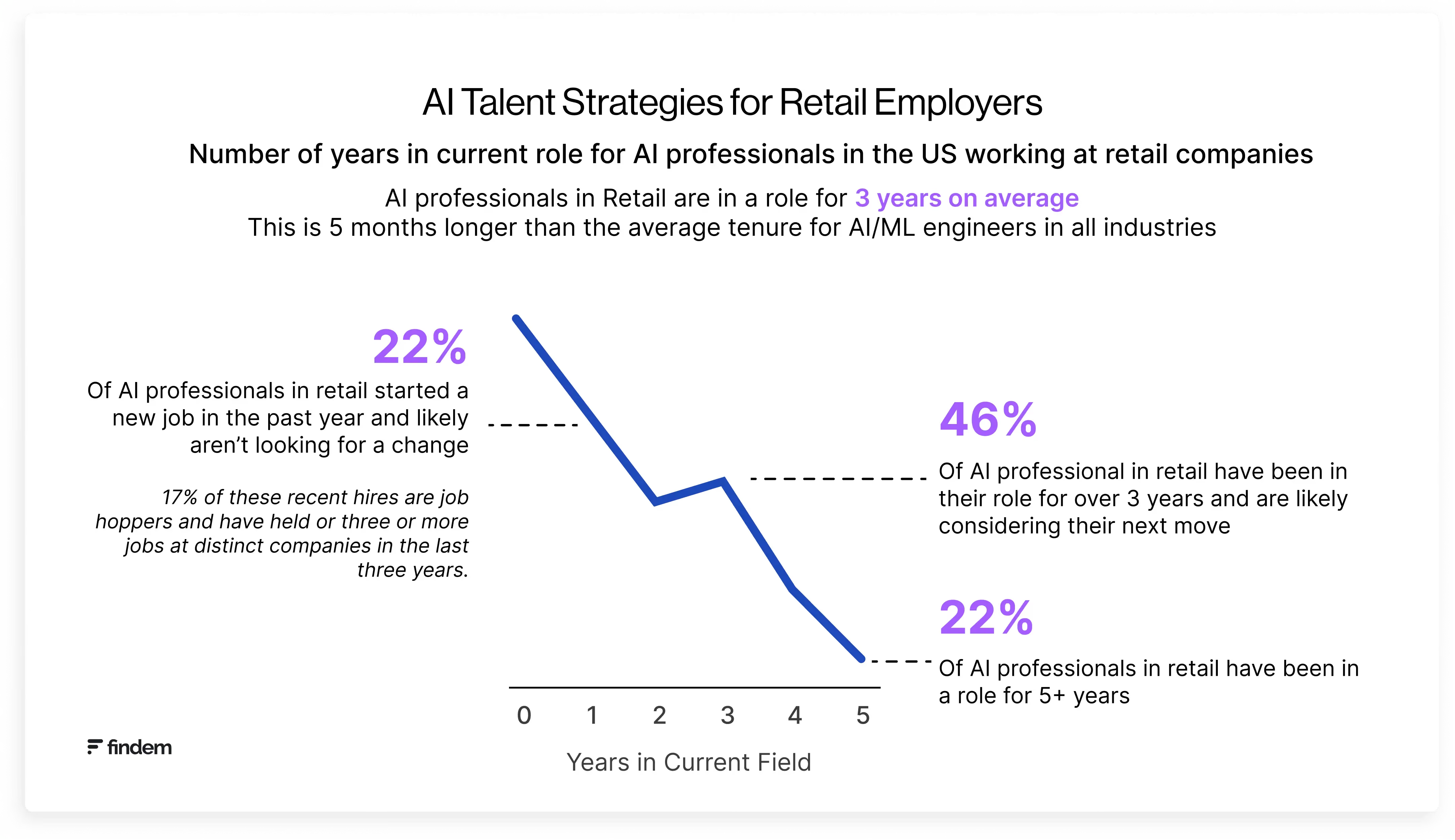
On average, AI professionals in retail stay in their role for 3 years. That is 5 months longer than the average for AI/ML engineers across industries. Within that average, three key groups stand out.
- 22% started a new job in the past year and are less likely to consider a move
- 46% have been in their role for more than three years and are likely thinking about their next step
- 22% have remained for five years or more, which signals strong potential openness to new opportunities
There is also a smaller but important group of job hoppers. 17% of those who joined in the last year have already held three or more jobs at different companies in the past three years. This pattern suggests higher turnover risk and signals instability rather than long-term commitment. For employers, it is a reminder to weigh mobility carefully when evaluating candidates for critical AI roles.
Why timing matters in retail
The three-year mark is a turning point. For many AI professionals in retail, it is the moment when they begin to re-evaluate their growth, impact, and alignment with their company’s strategy. Employers who anticipate this cycle and engage talent at the right time can build stronger pipelines and reduce wasted outreach.
This insight also helps companies think beyond filling open roles. It offers a way to align workforce strategy with the natural movement of AI professionals. Timing becomes a competitive advantage.
Where to look for talent first
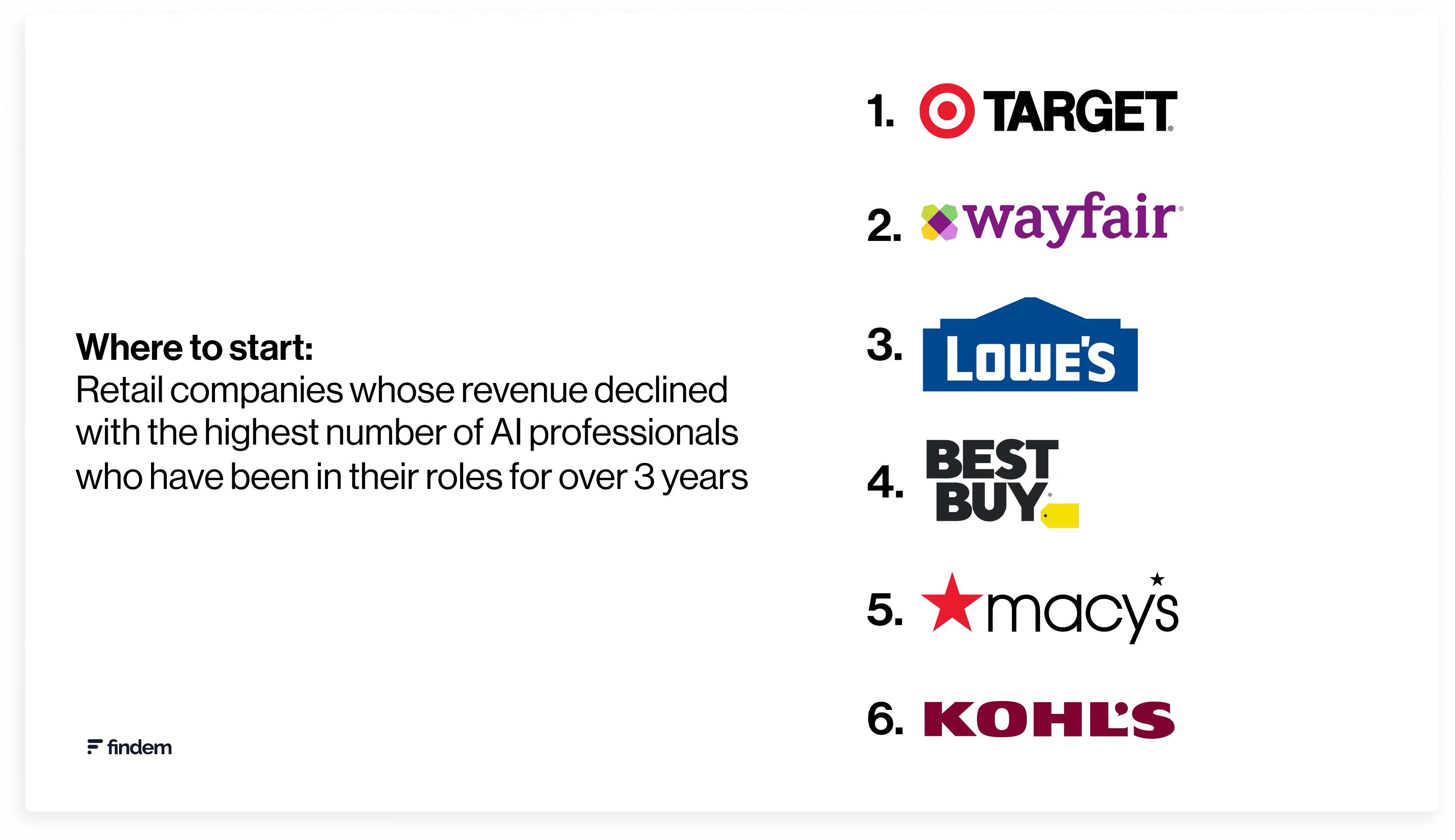
Talent movement is often more visible in companies under pressure. Retailers experiencing revenue decline are more likely to see movement among their AI professionals who have been in place for three years or longer.
These companies represent a practical starting point:
- Target
- Wayfair
- Lowe’s
- BestBuy
- Macy’s
- Kohl’s
Understanding the bigger picture
The data shows that tenure patterns in retail AI roles are predictable and measurable. The three-year mark consistently signals when professionals begin reassessing their options, and employers who align their outreach with this cycle will see better results.
For retail leaders who are building and expanding their AI capabilities, talent strategy should not rely on chance. It should be informed by workforce insights that identify when and where movement is most likely to happen. Companies that pay attention to these signals will improve hiring efficiency and reduce the risk of missed opportunities.